Foundation Problems in Texas Clay Soil: What's Cosmetic and What's a Dealbreaker
Our expansive clay soil swells and shrinks with every wet and dry cycle, and slabs ride along on top of it. What is normal cosmetic cracking, what signals a real structural problem, and who to call.
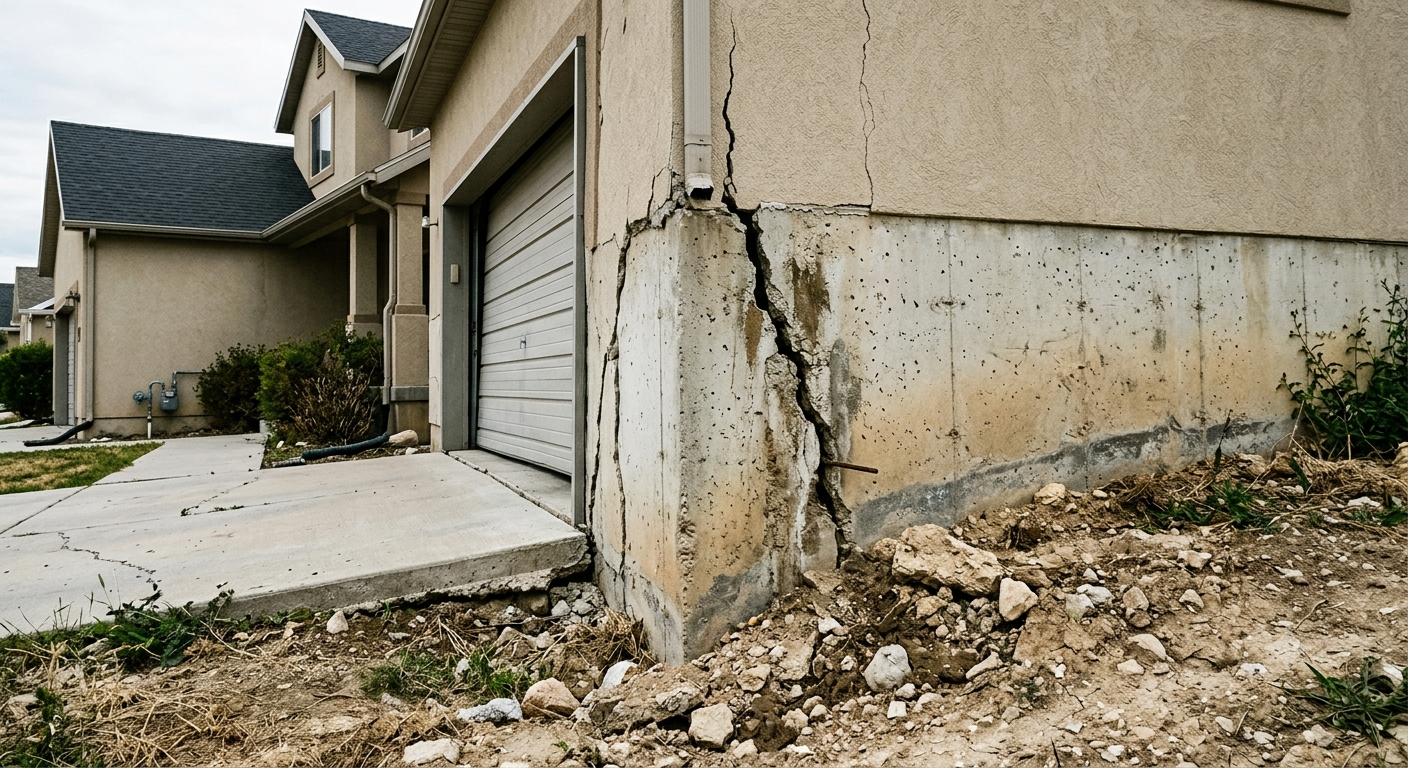
Nothing empties a room during a home inspection faster than the word foundation. In Southeast Texas it is the single most feared item on any report, and for good reason, because our soil is genuinely hard on slabs. But fear without knowledge leads to two expensive mistakes: buyers walking away from perfectly good homes over hairline cracks, and buyers ignoring real structural problems because someone told them all Texas homes do that. Here is how to tell the difference.
Why our soil does this
The culprit is expansive clay. Much of the Houston region, including large parts of Montgomery County, sits on soils with high clay content, and clay does something concrete does not appreciate: it swells dramatically when it absorbs water and shrinks when it dries out. Our climate delivers exactly the punishing cycle that makes this worst, long dry stretches followed by heavy rain, over and over.
That means the ground under your slab is constantly moving. It lifts in one spot after a wet week, drops in another during a drought, and the slab has to ride along on top of it. Add mature trees pulling moisture out of the soil, poor drainage dumping water against one side of the house, and plumbing leaks saturating the ground underneath, and you have the full picture of why foundation movement is so common here.
What is normal and cosmetic
Some evidence of movement is expected in this region and does not indicate a structural problem. Hairline cracks in drywall, especially at the corners of doors and windows where stress naturally concentrates, are extremely common and usually cosmetic. Small cracks in the slab itself are typical, since concrete shrinks and cracks as it cures, and a thin, stable crack is not automatically a red flag. Minor separation in mortar joints, or a door that sticks a bit in humid weather and works fine in dry weather, generally reflect seasonal movement rather than failure.
The key words are small, stable, and seasonal. Cosmetic issues stay roughly the same over time and track with the weather.
What actually signals a problem
Now the real warning signs. Watch for cracks wider than about a quarter inch, and especially cracks that run diagonally from window and door corners, since those follow structural stress lines. Look for cracks that are visibly wider at one end than the other, which suggests one section of the house is moving relative to another. Horizontal cracks in a foundation wall are more concerning than vertical ones.
Then look at the whole house rather than the walls. Doors and windows that will not close in any season, or that have been visibly shaved or adjusted to keep working, tell you something moved permanently. Sloping or bouncy floors, gaps where the wall meets the ceiling or the floor, separation between the brick veneer and the window frames, and a chimney pulling away from the house are all serious. Outside, look for a gap between the soil and the slab edge, or a slab edge that is visibly higher on one side.
The single most telling factor is progression. A crack that has been there for a decade and has not changed is very different from one that appeared last year and has grown since. Cracks that keep getting wider, or repairs that keep reopening, mean the movement is active.
Get the right expert, not the free estimate
Here is where buyers go wrong. When something concerning shows up, the instinct is to call a foundation repair company for a free evaluation. Understand the incentive: that company sells foundation repair. The better path is to hire a structural engineer, who charges a fee for an independent opinion and has nothing to sell you afterward. An engineer will measure elevations across the slab, quantify the actual deflection, tell you whether the movement is within tolerance, and specify what, if anything, needs to be done. That report is worth every dollar, both for your decision and as leverage in the negotiation.
The repair reality
If work is needed, the common approach in our area is piering, driving supports down to stable soil to lift and stabilize the slab, along with correcting whatever caused the problem in the first place. Cost varies enormously with the extent of the work, from a handful of piers on one corner to a full perimeter, so there is no useful single number, which is exactly why you want an engineer scoping it rather than a guess.
Two things matter for resale. First, ask whether existing repairs came with a transferable lifetime warranty, because many reputable companies offer one and it carries real value to the next buyer. Second, understand that a properly repaired and documented foundation is often a stronger position than an unrepaired one with unknown history. Paperwork is your friend here.
Prevention, which almost nobody does
If you own a home here, you can meaningfully reduce your risk with maintenance most people never think about. The goal is consistent soil moisture, because it is the swing between soaked and bone dry that does the damage. Water your foundation during droughts with a soaker hose set a foot or two out from the slab, run consistently rather than in bursts. Keep gutters clean and extend downspouts well away from the house. Maintain grading that slopes away from the slab. Fix plumbing leaks immediately. And be thoughtful about large trees planted close to the foundation, since they pull enormous amounts of moisture from the soil.
How we handle this for clients
Foundations are exactly where a knowledgeable team earns its keep, because the right answer is almost never panic or dismissal, it is information. We help our buyers get the right expert involved, read what the report actually says, and use real findings as negotiating leverage on price or repairs. For sellers, we help you get ahead of the issue with documentation so it does not blow up your deal at the inspection. Across The Woodlands, Conroe, Magnolia, Spring, and the rest of the county, this comes up constantly, and handling it calmly and correctly is the difference between a dead deal and a good one.
When an inspection turns up something real, the person negotiating for you determines what it costs you.
Call or text 713-303-5039.
The Keegan Group | Montgomery County, Texas / Residential · Commercial · Land · Investment · Property Tax Consulting.
Ready to Discuss Your Needs?
Whether you're locally upgrading, relocating to the area, or expanding your business or investment portfolio, we're here to guide you with competence and precision.
Call or Text: 713-303-5039