Solar Panels in Texas: The Honest Math, and What a Lease Does to Your Sale
Owned panels can add real value. Leased panels and PPAs file a UCC-1, force your buyer to qualify twice, and shrink your buyer pool. The honest math, and what to do if you are already in one.
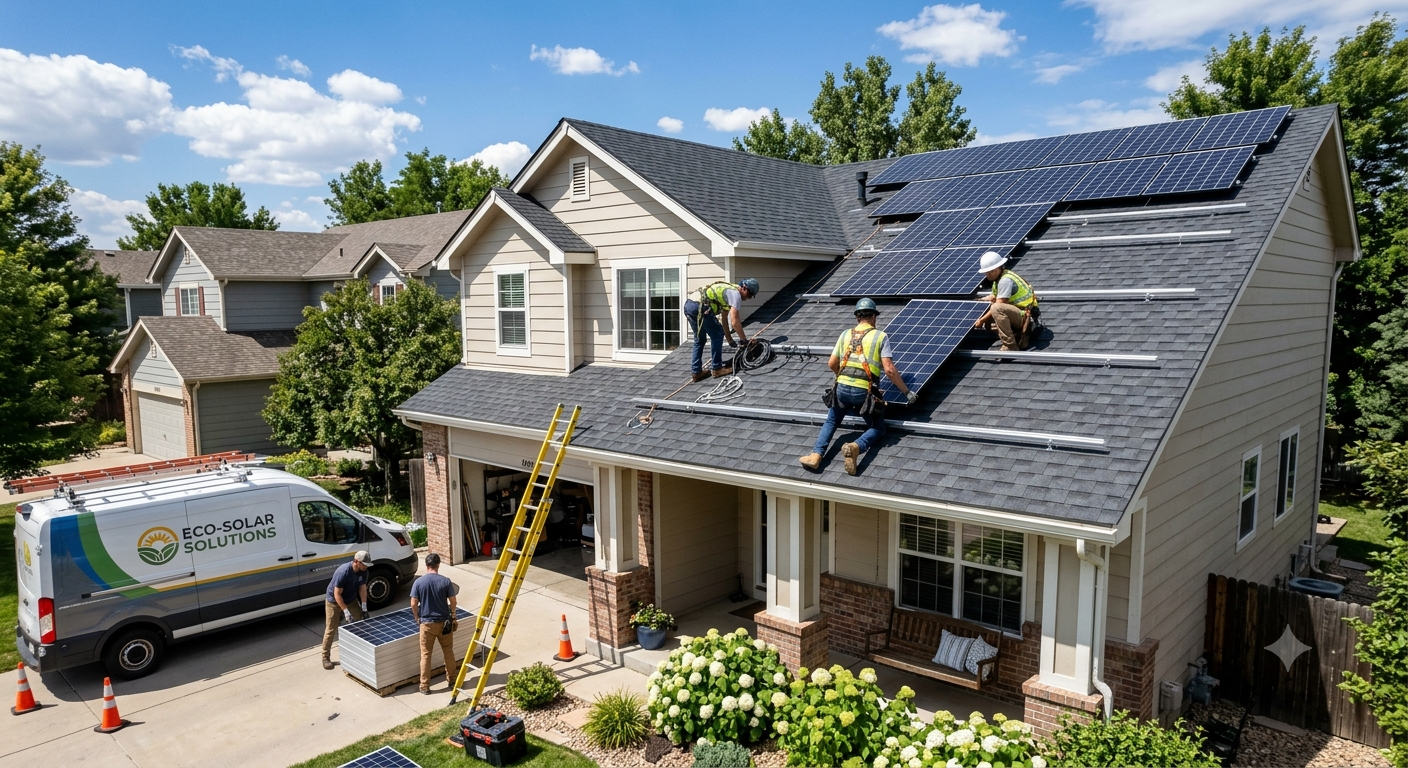
Solar has real appeal in Texas. We have brutal summers, high cooling loads, and plenty of sun, so the pitch practically writes itself. But there is a version of solar that quietly wrecks home sales, and thousands of homeowners have signed up for it without understanding what they agreed to. If you own panels or are thinking about them, the single most important question is not how much you will save. It is how you own them.
Three ways to have solar, and they are not remotely equal
Owned outright. You paid cash or financed and paid it off. The system is yours, it is treated like any other fixture of the home, and it is the cleanest possible position.
Financed with a loan. You own the system but there is debt against it, and the solar company has likely secured that debt, which means a lien connected to the property.
Leased or under a Power Purchase Agreement. You do not own the panels. You either pay a monthly lease payment or you buy the power the system produces at an agreed rate. The solar company owns the equipment on your roof, and this is where sales go to die.
What owned solar does for your value
Owned systems are the good news story. They add genuine value, they appeal to buyers, and industry data has pointed to homes with owned solar selling for a meaningful premium, with one 2025 analysis putting it near seven percent. An appraiser can give credit for an owned system, particularly with good documentation. If you own your panels outright, keep your installation records, warranties, and production data, because that paperwork is what lets a future appraiser and lender give you credit for it.
What a lease or PPA does to your sale
Now the hard part, and sellers deserve to hear this plainly.
When you lease panels or sign a PPA, the solar company typically files a UCC-1, a public notice of their security interest in the equipment. That filing shows up in the title search, and it has to be resolved. The title company will need it terminated, subordinated, or confirmed as fixture-only so your buyer's mortgage keeps its first lien position. Handled properly it is a manageable extra step. Handled late or ignored, it stalls or kills closings.
Then comes the bigger problem: your buyer has to qualify twice. First with their mortgage lender for the home loan, and then separately with the solar company to assume the lease, because the solar company runs its own credit check with its own standards. A buyer with excellent credit who sails through underwriting can still be rejected by the solar company. Deals die right there.
It gets worse on the financing side. The lease payment counts against your buyer's debt-to-income ratio, which can shrink what they qualify for or disqualify them outright. And some lenders simply will not write a loan on a home with an unresolved solar lien. Every one of these shrinks your buyer pool, and a smaller buyer pool means a longer sale and a weaker price.
Practically, expect a lease transfer to add roughly two to four weeks to closing, since both the solar company and the lender need time to approve it. Also read your own contract for an escalator clause, the provision that raises your payment annually, because a buyer doing the math on twenty more years of rising payments may decide your savings story is not much of a story.
How Texas contracts handle it
The mechanics depend on the ownership type. If the panels are paid off, they are treated like any other fixture. If they were financed and a lien exists, the standard contract language requires existing liens to be satisfied by the seller at closing or assumed by the buyer, and it has to be addressed in the contract. If the system is leased, there is a specific addendum for fixture leases that belongs in the deal. Using the wrong instrument, or ignoring the issue until the title commitment surfaces it, is how these transactions unravel.
If you are selling with leased panels
You generally have three paths. You can buy out the lease before closing, which costs real money but removes the obstacle and widens your buyer pool. You can find a buyer willing and able to assume the lease, which works but narrows your market and adds time. Or you can negotiate something with the solar company, which varies wildly by provider.
Whichever path you take, start early. The worst version of this is discovering the problem two weeks before closing. Pull your contract now, find out exactly what you signed, get the payoff figure, and know your options before you list.
Should you install solar in the first place?
If you are considering it, here is the straight advice. If you can own the system outright, it is a defensible decision with genuine upside on both utility bills and resale. If the only way you can do it is a lease or a PPA, understand that you are trading a monthly savings today for a real complication when you sell. Plenty of people make that trade without knowing they made it. Run the full math, including what it does to your future sale, before you sign anything.
How we help
We deal with this constantly, and the difference between a smooth solar transaction and a disaster is almost entirely preparation. For sellers, we pull the contract early, identify the ownership structure, coordinate with the title company on any UCC filing, and make sure the right contract instruments are used so the issue never becomes a crisis. For buyers, we make sure you understand what you are assuming, what it does to your loan qualification, and what it costs you over time before you commit.
Call or text 713-303-5039.
The Keegan Group | Montgomery County, Texas / Residential · Commercial · Land · Investment · Property Tax Consulting.
Ready to Discuss Your Needs?
Whether you're locally upgrading, relocating to the area, or expanding your business or investment portfolio, we're here to guide you with competence and precision.
Call or Text: 713-303-5039