Termites and the WDI Report: What Texas Buyers Should Expect
A general home inspection is not a termite inspection. What the WDI report covers, why Formosan termites make it matter more in Southeast Texas, and how to handle findings during your option period.
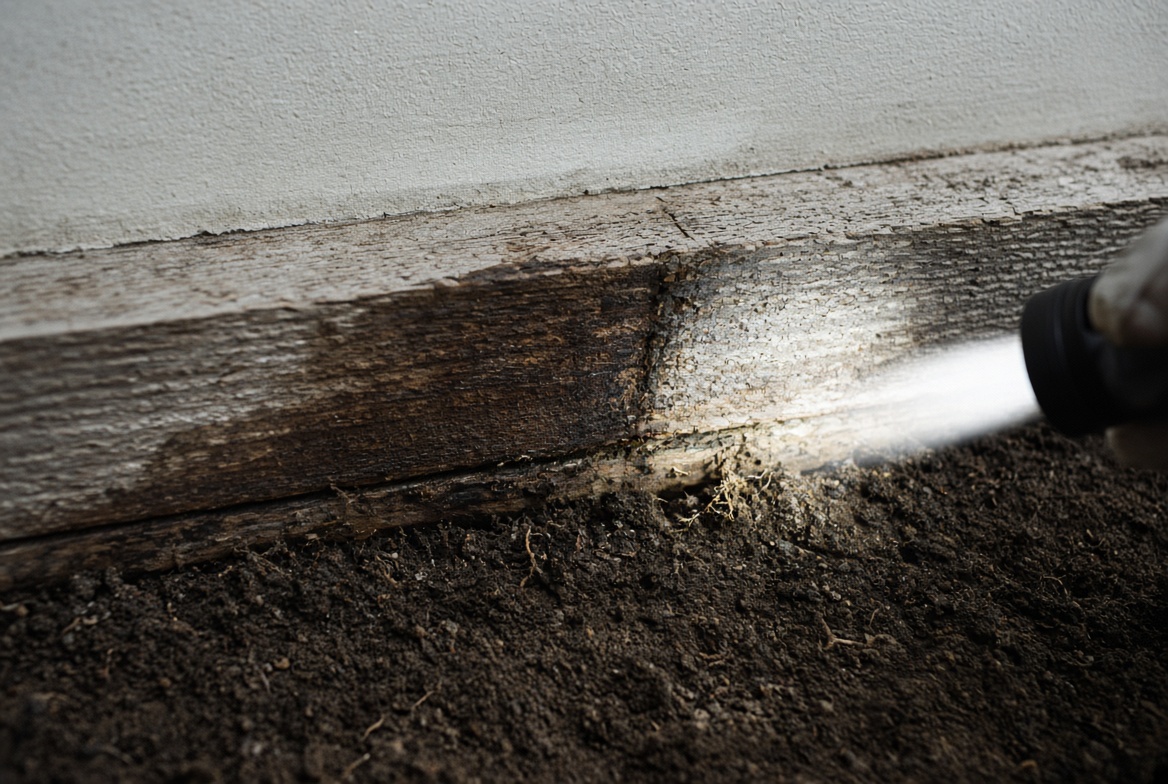
Somewhere in the stack of inspection paperwork sits a document with an unglamorous name and real consequences: the Wood Destroying Insect report. In Southeast Texas it deserves more attention than most buyers give it, because our climate is close to ideal for the organisms it looks for.
Here is what the report is, what it covers, and how to handle what it finds.
It is a separate inspection
Start with the most common misunderstanding. A general home inspection is not a termite inspection.
In Texas, wood destroying insect inspections are performed by inspectors licensed through the state's structural pest control program, administered under the Texas Department of Agriculture. Some home inspectors hold both credentials and can perform both, but many do not, and the WDI inspection is a distinct service producing a distinct report on a standardized form.
If you want one, ask for it specifically. Do not assume it is included.
Who typically requires it
The report is frequently required on VA loans, and lenders on other loan types may require one depending on circumstances and location. Many buyers order one voluntarily, which in this region is a reasonable default.
In a conventional transaction with no lender requirement, nobody will order it for you unless you ask.
What the inspector is actually looking for
The report covers wood destroying insects broadly, not just termites. That includes subterranean termites, drywood termites, carpenter ants, and wood boring beetles.
Subterranean termites are the primary concern across most of Texas. They live in colonies in the soil and build mud tubes to reach wood, which is why inspectors spend time examining the foundation perimeter.
Southeast Texas also contends with Formosan termites, an aggressive introduced species established in the Gulf Coast region. Formosan colonies can be very large and cause damage faster than native subterranean species, which is a genuine reason to take this seriously here rather than treating it as a formality.
What the report tells you, and what it does not
The report documents evidence of infestation observed, evidence of previous treatment, and conditions conducive to infestation. That last category is important and frequently overlooked. It includes things like wood to soil contact, excessive moisture, inadequate drainage, debris under the structure, and vegetation against the foundation.
Here is the critical limitation: a WDI report documents visible evidence in accessible areas. It is not a guarantee that the structure is free of insects, and it is not a structural damage assessment.
If evidence of damage is found, the WDI inspector reports the evidence. Determining the extent of structural damage and what repair is required is a separate question, often for a structural engineer or a qualified contractor.
What to do when the report comes back with findings
Do not panic, and do not dismiss it. Work through it in order.
Distinguish active infestation from prior evidence. A property treated ten years ago with no current activity is a very different situation from an active colony.
Ask for treatment documentation. Previous treatment records, including any warranty or service agreement, tell you a great deal. Some treatment warranties are transferable to a new owner, which has real value. Ask specifically.
Get the damage assessed separately if evidence of damage is noted. Visible evidence and structural significance are different questions, and you want the second answer before you negotiate.
Address the conducive conditions. These are often inexpensive to correct and genuinely reduce future risk. Correcting drainage, eliminating wood to soil contact, clearing debris, and trimming vegetation away from the foundation are basic maintenance with real protective value.
Use the findings in the negotiation. Treatment, repairs, or a price adjustment are all legitimate asks during your option period. This is exactly what that window is for.
If you own a home here
Two practical points.
Preventive treatment and periodic inspection are reasonable in this climate, particularly given Formosan activity in the region. Many homeowners carry an ongoing termite service agreement, and the cost is modest relative to repair.
And when you sell, documented treatment history is an asset. A buyer who sees evidence of past activity with no documentation assumes the worst. A buyer who sees evidence plus a treatment record plus a transferable warranty sees a managed situation.
The broader point
Termites in Southeast Texas are not an exotic risk. Our warmth, humidity, and soil conditions make this favorable territory for them, and evidence of past activity in an older home here is common rather than alarming.
What separates a manageable finding from an expensive one is information: whether activity is current, whether damage is structural, and whether anyone has been treating the property. All three are knowable during your option period, which is precisely why that window exists.
Where we come in
We make sure the right inspections actually get ordered on the right timeline, including this one, which buyers frequently skip because nobody told them it was separate. We help you read what the report actually says, get the follow-up assessment when findings warrant it, and turn genuine issues into negotiating leverage rather than last-minute panic.
For sellers across The Woodlands, Conroe, Magnolia, Spring, Montgomery, and Willis, we help you get ahead of this with documentation so it does not become a crisis two weeks before closing.
We are a real estate team, not licensed pest control professionals, so the inspection and any treatment belong with qualified licensed providers.
Call or text 713-303-5039.
The Keegan Group | Montgomery County, Texas / Residential · Commercial · Land · Investment · Property Tax Consulting.
More in General Real Estate

2026-10-23
Buying in The Woodlands From Overseas: A Guide for International Buyers
Buying in The Woodlands from another country is very doable, but a 2025 Texas law changed the landscape. SB 17, foreign national financing, remote closings, wire fraud, FIRPTA, and owning from abroad.

2026-10-23
Selling Over the Holidays: Why the Serious Buyers Are Still Looking
Most sellers pull their homes between Thanksgiving and New Year's, which is exactly why the holidays can work. Fewer listings, motivated buyers, the January relocation wave, and how to sell well this season.

2026-10-23
Why We Build Our Own CMAs Instead of Relying on Automated Ones
Most CMAs are generated in minutes from a radius and an average. The six things automated comps systematically miss, and how we actually build a valuation you can defend at the negotiating table.
Let's Talk It Through
Whether you are moving up the street, relocating to the area, or expanding your business or investment portfolio, we are glad to help you think it through.
Call or Text: 713-303-5039