Texas Homestead Protection: Why Your Home Is Shielded From Creditors
Most Texans know the homestead exemption as a tax break. Far fewer know it also shields your home from creditors, with no dollar cap at all. What it covers, the acreage limits, and the exceptions that matter.

Most Texans know about the homestead exemption as a property tax break. Far fewer understand that the phrase describes two completely different protections, and that the second one is arguably the strongest asset protection law in the United States.
Your home, in Texas, is largely untouchable by creditors. Not up to a dollar limit. Not partially. And it happens automatically, without you filing anything.
Two different things with the same name
This trips up almost everyone, so start here.
The homestead tax exemption reduces your property tax bill. You apply for it with your county appraisal district using Form 50-114, and it has a deadline. It saves you money every year.
The homestead creditor protection shields your home from being seized to satisfy most debts. It comes from the Texas Constitution and Texas Property Code Section 41.001, and it requires no application at all. Occupancy plus intent to remain is enough.
Same word, entirely different mechanisms. This post is about the second one.
The part that makes Texas different: no dollar cap
Here is what genuinely sets Texas apart from nearly every other state.
Most states cap homestead protection by value. Some protect as little as a few thousand dollars of equity, meaning a creditor can reach everything above that line.
Texas does not cap the value at all. It limits size instead.
A home worth $200,000 and a home worth $5 million receive identical protection, as long as both fall within the acreage limits. That is remarkable, and it is why Texas has long been considered a favorable state for debtors.
The acreage limits
Under Property Code Section 41.002:
An urban homestead may include up to 10 acres, in one or more contiguous lots, together with the improvements. Urban classification is not just about having a city address. The property generally needs to sit within a municipality, its extraterritorial jurisdiction, or a platted subdivision, and be served by police protection, fire protection, and at least three utilities.
A rural homestead may include up to 200 acres for a family, or 100 acres for a single adult. Notably, rural parcels do not have to be contiguous. They can be separate tracts.
The statute also explicitly allows an urban homestead to serve as both a home and a place of business, which matters for anyone running something out of their house.
What it does not protect against
The protection is powerful but not absolute, and the exceptions are the part people need to understand before they rely on it.
The purchase money lien. Your mortgage. The lender that financed the home retains its lien, and homestead protection does not stop foreclosure by the mortgage holder. If you stop paying, you can lose the house.
Property taxes. Unpaid property taxes create a lien that supersedes homestead protection, and the taxing authority can foreclose.
Home equity loans. Texas permits them, and they are secured by the homestead. Default and the lender can foreclose.
Contractor and mechanic's liens. Someone who performs work on the property may have lien rights if they follow the proper statutory procedures, which in Texas are specific and strict.
Federal debt. A Texas homestead is not secure from the federal government. The IRS can place a lien, though actual seizure and sale of a homestead by the IRS is rare.
HOA assessments. In certain circumstances, HOA liens can lead to foreclosure in Texas.
So the shield stops general unsecured creditors, judgment creditors, and credit card companies. It does not stop anyone holding a properly perfected lien against the property itself.
Two details worth knowing
You only get one. A person can have one homestead at a time. You cannot shield multiple properties.
Sale proceeds carry protection for six months. If you sell your homestead, the proceeds generally remain protected from creditors for six months, which gives you time to reinvest in another homestead without exposure. Blow past that window with the cash sitting in an account and the protection lapses.
Why this is genuinely Texan
Worth a moment of history, because it explains why the protection is so strong.
The principle traces back to an 1839 Texas act protecting a family home from seizure by creditors, the first law of its kind anywhere. It is frequently described as Texas's distinctive contribution to American jurisprudence. It was written into the Constitution of 1845 and every Texas constitution since.
That lineage matters practically, because Texas courts have consistently construed homestead protections liberally in favor of the homeowner. This is not a technicality the state is looking to narrow.
What it means for you
Three takeaways.
If you are a business owner, a landlord, or anyone with genuine liability exposure, understand that your primary residence is already substantially protected in a way your other assets are not. That changes how you think about where equity sits.
If you are buying acreage, know your limits. A rural family homestead protects up to 200 acres. Acreage beyond that is potentially exposed, which is one reason larger holdings often sit in a different structure.
And if you are considering putting your primary residence into an LLC or trust for asset protection, talk to an attorney first. Moving a homestead into an entity can jeopardize protections you already have for free, and it can also trigger a due-on-sale clause with your lender.
We are a real estate team, not attorneys, and this is general information rather than legal advice. For anything involving actual creditor exposure, a Texas attorney is the right call.
What we can tell you is how homestead status, acreage, and property type interact in the real transactions we handle across The Woodlands, Conroe, Magnolia, Montgomery, and the rural parts of the county. If you are buying or selling and want those questions asked before closing rather than after, that is the work.
Call or text 713-303-5039.
The Keegan Group | Montgomery County, Texas / Residential · Commercial · Land · Investment · Property Tax Consulting.
More in General Real Estate
2026-09-25
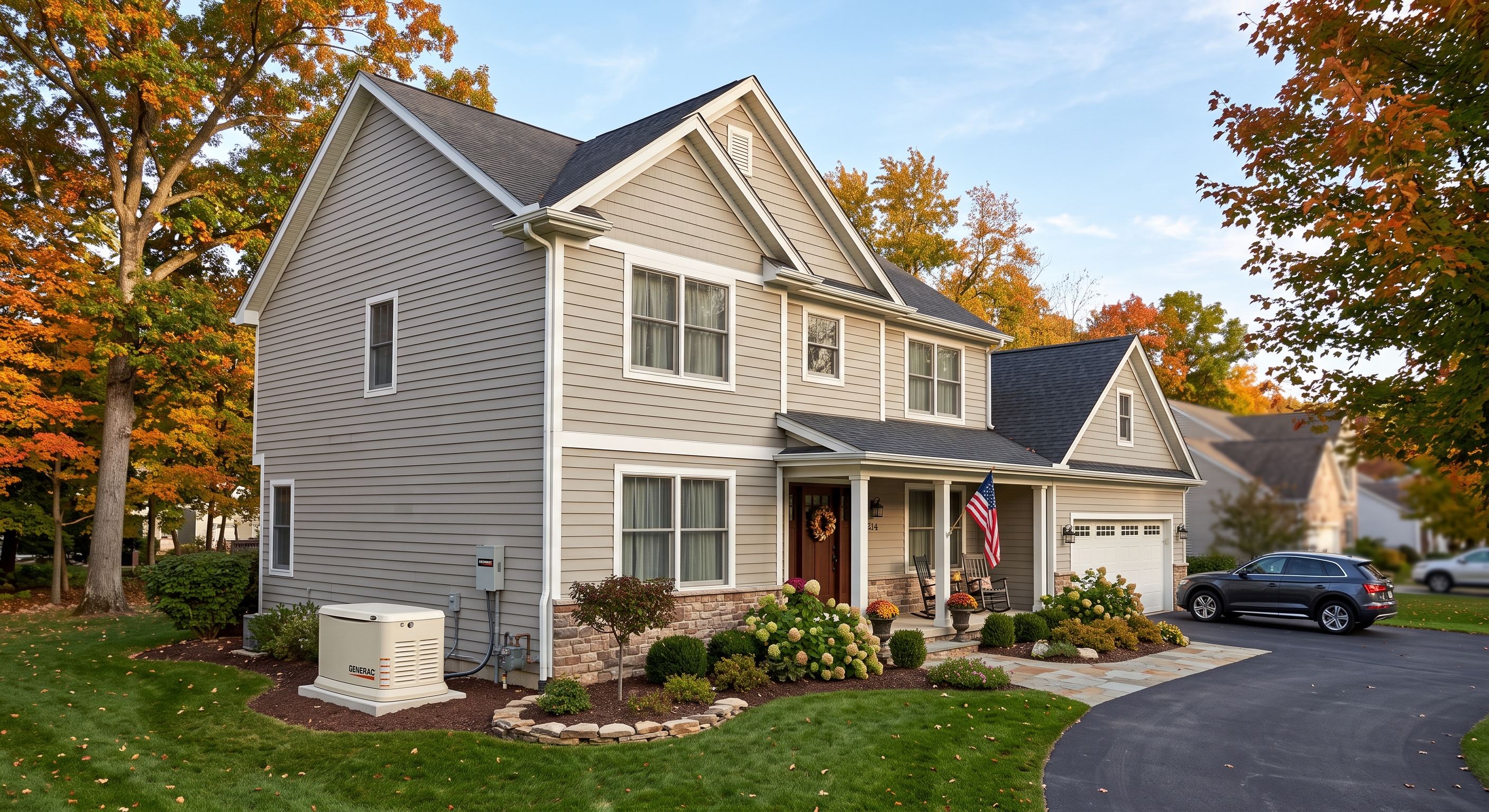
Whole-Home Generators in Texas: The Honest Math on Cost, Value, and Resale
What standby generators actually cost, why the Texas grid and our tree cover make them worth considering, and the honest answer on resale: buyers value them, appraisers give limited credit.
2026-09-01
The Fall Home Maintenance Checklist for Montgomery County Homeowners
Fall is the best maintenance season Texas gives us. The foundation watering, drainage, HVAC, freeze prep, and safety items that protect your largest asset and keep problems out of a future inspection report.

2026-08-19
Pools in Texas: The Honest Math on Building One and Selling With One
Build a pool because you want to swim, not because it will pay for itself. The real ongoing costs, where a pool actually helps in the Texas market, and why condition matters more than existence when you sell.
Ready to Discuss Your Needs?
Whether you're locally upgrading, relocating to the area, or expanding your business or investment portfolio, we're here to guide you with competence and precision.
Call or Text: 713-303-5039