The Escrow Account Nobody Explains: Why Your Montgomery County Mortgage Payment Keeps Going Up
You locked a fixed rate, so why did your payment jump $200 a year in? The escrow account nobody explains, and why Texas property taxes and insurance quietly push your Montgomery County payment up over time.
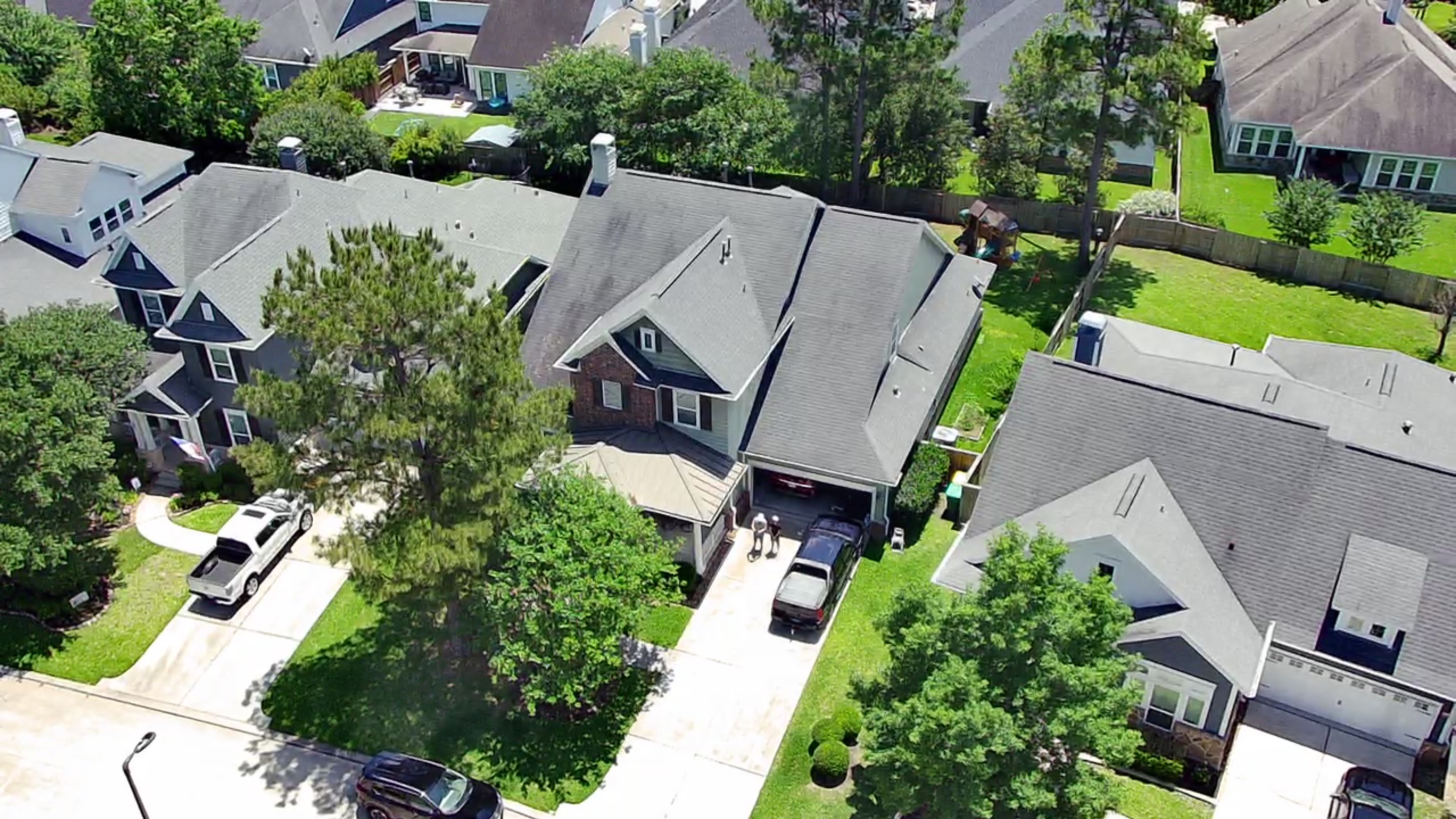
You locked in a fixed-rate mortgage, so your payment should never change, right? Then a year into owning your home in Conroe or Willis, the mortgage company sends a notice and your monthly payment jumps by a couple hundred dollars. Nothing about your loan changed. Welcome to the part of homeownership almost nobody explains before you buy: the escrow account, and why it quietly pushes your payment up over time, especially in Texas.
What escrow actually is
Your monthly mortgage payment is usually made up of four things, often shortened to PITI: principal, interest, taxes, and insurance. The principal and interest are the loan itself, and on a fixed-rate mortgage those genuinely never change. The taxes and insurance are different. Your lender collects those from you monthly, holds them in an escrow account, and pays your property tax bill and homeowners insurance premium on your behalf when they come due. It is a convenience and a protection for the lender, and it means two big, variable expenses are riding inside your otherwise fixed payment.
That is the key. Your payment is only as fixed as its most variable parts, and in Montgomery County those parts move.
Why it climbs: the property tax side
Here is the Texas reality. We have no state income tax, and the state leans heavily on property taxes to fund schools and local services. Those taxes are based on your home's assessed value, and in a fast-growing area like ours, where demand keeps flowing into The Woodlands, Conroe, Montgomery, and Willis, assessed values have a strong upward pull. When the Montgomery Central Appraisal District raises your assessment, your tax bill rises, your escrow account needs more to cover it, and your monthly payment climbs to refill it.
There is a real protection worth knowing. Once you have a homestead exemption on your primary residence, Texas caps how much the taxable value of that homestead can rise each year, currently at ten percent annually. That cap is one of the most valuable protections a Texas homeowner has, and filing your homestead exemption as soon as the home is your primary residence is one of the first things you should do. But even with the cap, a rising assessment means a rising bill over time, and your escrow follows it up.
Why it climbs: the insurance side
The other half is homeowners insurance, and in Texas that number has been under real pressure. Premiums have risen across the state, driven by storm risk, rebuilding costs, and a tougher insurance market. When your premium goes up at renewal, your escrow needs more to cover it, and again your monthly payment rises. Between taxes and insurance, you have two independently rising costs both feeding into the same account.
The escrow shortage surprise
Here is what actually triggers that jarring payment jump. Each year your lender runs an escrow analysis. If your taxes and insurance came in higher than they collected, your escrow account runs short. The lender then does two things at once: it raises your monthly escrow to cover the new higher annual cost, and it adds a bit extra to make up the shortage from the past year. That double adjustment is why the increase can feel so much bigger than you expected. Once the shortage is repaid, it eases slightly, but the underlying trend, higher taxes and higher insurance, keeps the long-term direction pointed up.
What you can actually do about it
You are not powerless here. File your homestead exemption promptly to lock in that annual cap and any available exemption savings. Shop your homeowners insurance at renewal instead of letting it auto-renew, because in this market the spread between carriers can be significant. Keep an eye on your annual assessment, and know that when a valuation looks too high, Texas gives you the right to protest it. And when you buy, budget for the real, rising cost of ownership, not just the payment on day one, so a future adjustment is a line item you planned for rather than a shock.
This is exactly the kind of thing we walk our buyers through before they ever get to the closing table, because a smart purchase accounts for the true long-term cost of a home, not just the sticker payment. If you are buying anywhere across Montgomery County, from Spring to Montgomery to Lake Conroe, an active property search with a team that helps you understand the full picture keeps you from being blindsided later. And if you own now and are weighing a move, we offer a complimentary professional valuation so you know exactly where you stand.
We built our approach to negotiation in a prior career making deals with Fortune 500 clients like Huntsman, Owens Corning, and Baker Hughes. We bring that same attention to the numbers that quietly shape what your home really costs you.
Call or text 281-801-9544.
The Keegan Group | Montgomery County, Texas / Residential · Commercial · Land · Investment · Property Tax Consulting.
More in Personal Finance

2026-09-01
Paying Cash for a House in Today's Market: When It Wins, and When It Costs You
Paying cash feels like the obviously smart move. It wins on leverage and speed, but it forfeits liquidity and the inflation hedge that fixed-rate debt provides. An honest look at both sides, plus the hybrid most people miss.

2026-08-26
How Home Warranty Companies Actually Make Money
A home warranty company is an insurance operation. Premiums must exceed claims plus overhead plus profit, which means customers collectively have to lose. A look at the unit economics and the levers that protect the pool.
2026-08-19
MUD Districts Explained: Why Your Montgomery County Property Tax Bill Is What It Is
Two identical homes, thousands of dollars apart in annual taxes. The reason is usually a Municipal Utility District. How MUDs work, why the rate declines over decades, and what to check before you write an offer.
Ready to Discuss Your Needs?
Whether you're locally upgrading, relocating to the area, or expanding your business or investment portfolio, we're here to guide you with competence and precision.
Call or Text: 713-303-5039