The $50 Million Deal to End Houston's Annexation Claim on The Woodlands, Explained
On August 26, Houston and The Woodlands both vote on a $50 million amendment that would permanently end Houston's ability to annex the township. The terms, the backstory, the arithmetic, and what it means for property owners.
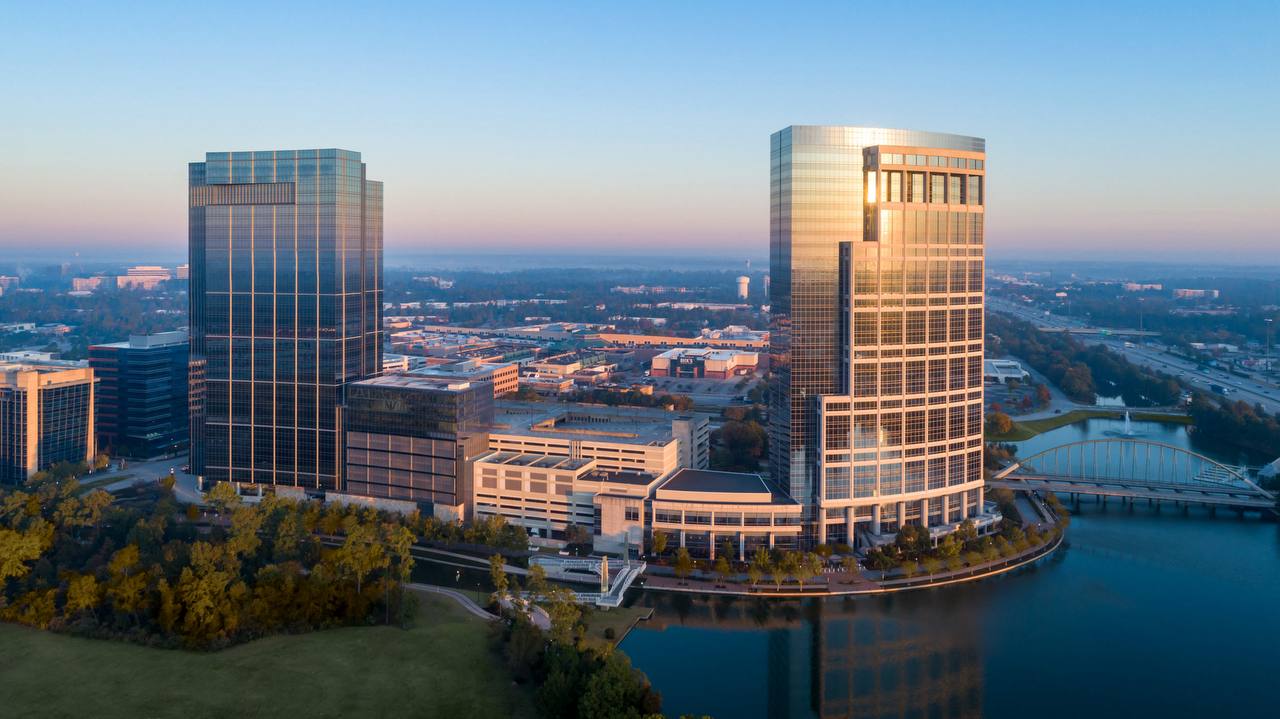
On Tuesday, August 26, two government bodies will meet separately and vote on the same thing. At nine in the morning, Houston City Council convenes at City Hall. At four in the afternoon, The Woodlands Township Board of Directors meets on Technology Forest Boulevard. Both are considering a third amendment to an agreement most residents have never read, and if both approve it, the possibility that The Woodlands ever becomes part of the City of Houston goes away permanently.
For anyone who owns property in The Woodlands, or is thinking about buying here, this is worth understanding. Not because the sky is falling, but because it removes a long-tail risk that has hovered over this community for decades and puts real money back in local hands.
The deal on the table
The mechanics are straightforward. The Woodlands Township pays the City of Houston roughly $50 million by 2030, and Houston gives up its claim to annex the township.
The payment structure has two pieces. About $22.6 million is already sitting in the Regional Participation Fund, and the amendment releases the restrictions on it so Houston can use it. That money is due by December 31 of this year. Then the township makes roughly $27.4 million in new payments over three years: $9 million by the end of 2027, $9 million by the end of 2028, and a final payment of about $9.37 million by the end of 2029.
Then the flow stops. Beginning in 2030, the one-sixteenth of one percent sales tax collected in The Woodlands that had been feeding the fund stays home, available for township priorities instead of heading to Houston.
Where this agreement came from
To understand why any of this exists, you have to go back to 2007. Parts of The Woodlands sit inside the extraterritorial jurisdiction of both Houston and Conroe, which historically gave those cities the legal ability to annex the community. That was not a theoretical concern. It was one of the defining anxieties of local governance for years.
So in 2007 the township entered into Regional Participation Agreements with both cities, buying protection from annexation for fifty years, through 2057. The price was an initial contribution of about $16 million toward regional public works, projects like park improvements, Texas Medical Center mobility, and a Hardy Toll Road extension, plus that ongoing slice of sales tax dedicated to future regional projects of mutual benefit. It was, in effect, a community purchasing its independence on a payment plan.
That arrangement has been running ever since. The township's adopted 2025 budget carried a payment of roughly $2.3 million to Houston out of sales tax collections.
Why now
The amendment does a few housekeeping things alongside the headline item. It confirms there are no regional participation projects currently pending, ends certain obligations on Houston's side, and restructures how the remaining money moves.
The practical read is that both sides found it worth converting a long, open-ended relationship into a finite one. Houston gets a large sum of cash on an accelerated schedule at a moment when the city faces real budget pressure. The Woodlands gets permanence instead of an expiration date in 2057, and gets its sales tax revenue back a generation early.
Township leadership has described the amendment as the product of collaborative discussions addressing the priorities of both organizations, and it will be discussed publicly at the special meeting.
Run the arithmetic
Here is where it gets interesting, and where the deal starts to look considerably better than the headline number suggests.
Under the existing agreement, the township would have kept sending Houston that sales tax slice until 2057. At roughly $2.3 million a year, and sales tax collections in a growing community generally rise rather than fall, thirty-one more years of payments would comfortably exceed $70 million and quite plausibly a great deal more. That money would have left the community and kept leaving it for another generation.
Instead, the township pays about $27.4 million in genuinely new money, releases $22.6 million that was already committed to this purpose and was never going to be spent locally anyway, and stops. From 2030 forward, a revenue stream worth millions annually stays in The Woodlands.
Add the fact that annexation protection changes from a fifty-year term to permanent, and the trade looks sound. You are accelerating and capping a payment obligation you already had, in exchange for both a better legal position and the return of a revenue stream twenty-seven years early. Whatever you think about the underlying arrangement, that is a reasonable piece of negotiating.
Worth naming what this always was
It is worth naming what this arrangement always was. A community that never asked to be part of Houston has spent nearly twenty years paying Houston not to take it, and the money only ever flowed one direction. Texas has since curtailed forced annexation statewide, which raises a fair question about how much leverage was really left. What The Woodlands is buying now is certainty, and it negotiated a good price for it.
The fine print worth watching
One honest note, because the coverage is not perfectly uniform on this point. Some descriptions of the amendment say it eliminates annexation for all time and preserves the township as an autonomous entity in perpetuity. The city's own agenda materials describe Houston affirming it will not annex The Woodlands unless certain conditions are met.
Those are not identical statements, and the difference lives in the actual document rather than in the summaries. If you care about this, and property owners reasonably might, the amendment itself is the thing to read, and Tuesday's public meetings are the place to hear those conditions discussed. Anyone telling you they know exactly how airtight it is without having read the operative language is guessing.
It is also worth remembering that Texas law changed significantly in recent years to curtail forced annexation statewide, requiring voter approval in most circumstances. So the practical risk had already diminished before this amendment. What this deal buys is contractual certainty rather than a rescue from an imminent threat, and contractual certainty in a fifty-year time horizon is genuinely worth something, just not everything.
What it means if you own here
Governance stability is not an abstraction when it comes to property values. It shows up in three concrete ways.
First, tax structure. Remaining outside Houston city limits means no City of Houston property tax rate layered onto Woodlands homeowners, and no shift into Houston's service and regulatory framework. For a community whose entire identity is built on being a master-planned alternative to the city, that distinction is fundamental to what people are buying when they buy here.
Second, the local revenue. Beginning in 2030, millions of dollars a year that had been leaving the community stay here for township priorities. What the board eventually does with that money is a separate conversation worth watching, but more local revenue retained is generally good news for residents.
Third, and most relevant to anyone relocating here, this removes a question mark. Buyers moving in from out of state routinely ask how The Woodlands is governed, because a township is an unusual structure and people want to know it is stable. Being able to say the annexation question is settled permanently is a cleaner answer than explaining a fifty-year clock.
It is also useful context for the incorporation debate, which is not going away. Residents rejected incorporation in 2021 by a decisive sixty-seven percent margin, and one of the original agreement's provisions dealt with releasing ETJ property if the township ever did incorporate. Anyone following that conversation should pay attention to how this amendment changes the landscape.
The Woodlands is not standing still
Zoom out and this fits a pattern. Montgomery County is one of the fastest-growing counties in the country, and The Woodlands sits at the center of that growth as one of the most successful master-planned communities in America. Deals like this one, where a community negotiates its own long-term position rather than waiting to see what happens to it, are part of why the place has held its value and its character for fifty years.
For homeowners, that is the practical takeaway. The fundamentals underneath your property here, governance, schools, amenities, and the economic engine of the corridor, are what determine whether your equity grows and whether you can sell when you need to. Tuesday's vote reinforces one of those fundamentals.
If you own in The Woodlands and want to know where your home actually stands in today's market, we offer a complimentary professional valuation grounded in real comparable sales rather than headlines. And if you are considering a move into the community, from Panther Creek and Cochran's Crossing to Grogan's Point, Indian Springs, and East Shore, an active property search with a team that knows these villages block by block is where to start.
Call or text 713-303-5039.
The Keegan Group | Montgomery County, Texas / Residential · Commercial · Land · Investment · Property Tax Consulting.
More in Area Information
2026-09-16
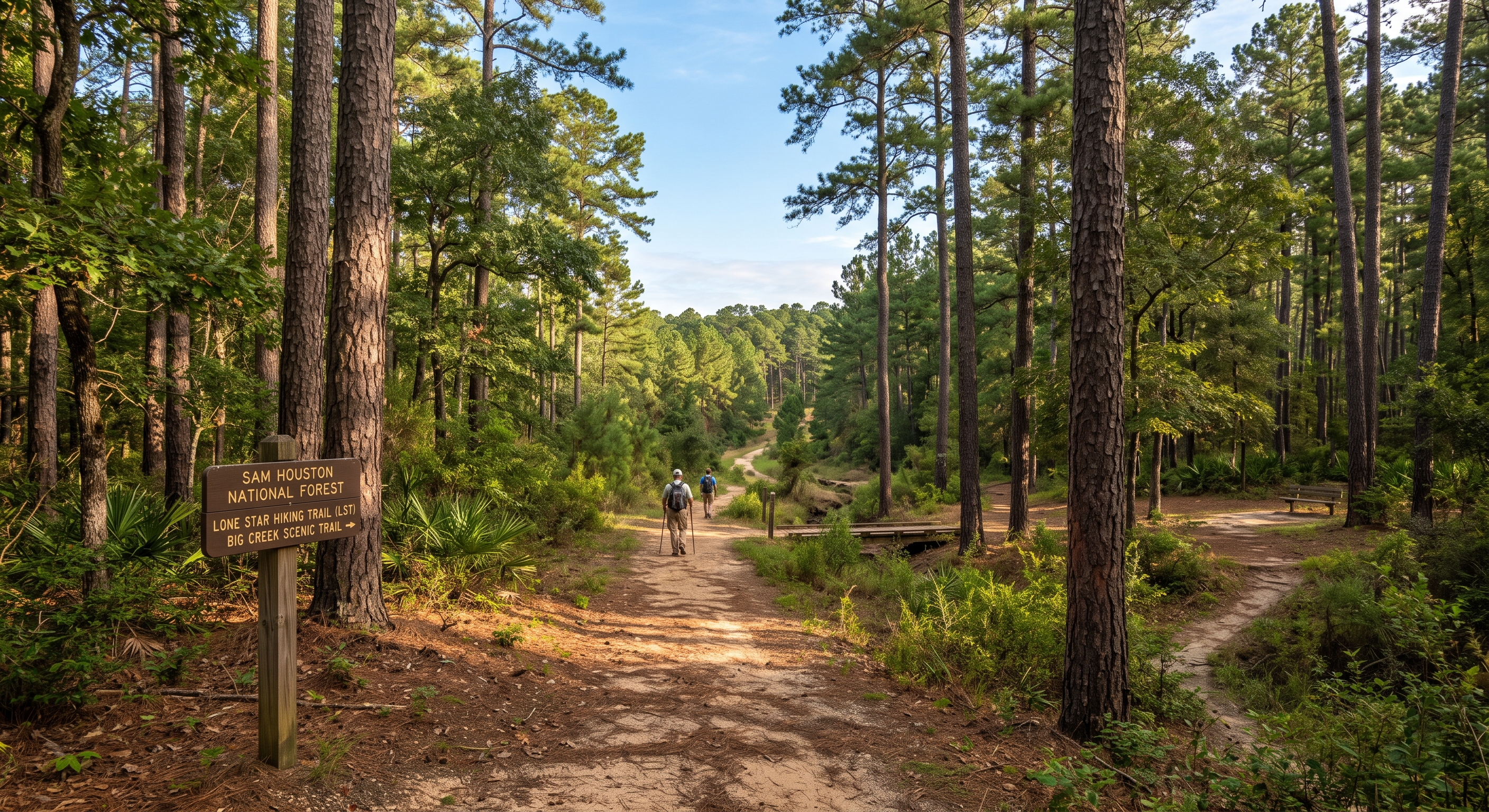
Parks and Trails in Montgomery County: The Complete Guide
The outdoor access here is exceptional and a lot of it is permanently protected. The Spring Creek Greenway, George Mitchell Preserve, W.G. Jones State Forest, the Lone Star Hiking Trail, and why it matters when you buy.
2026-09-16
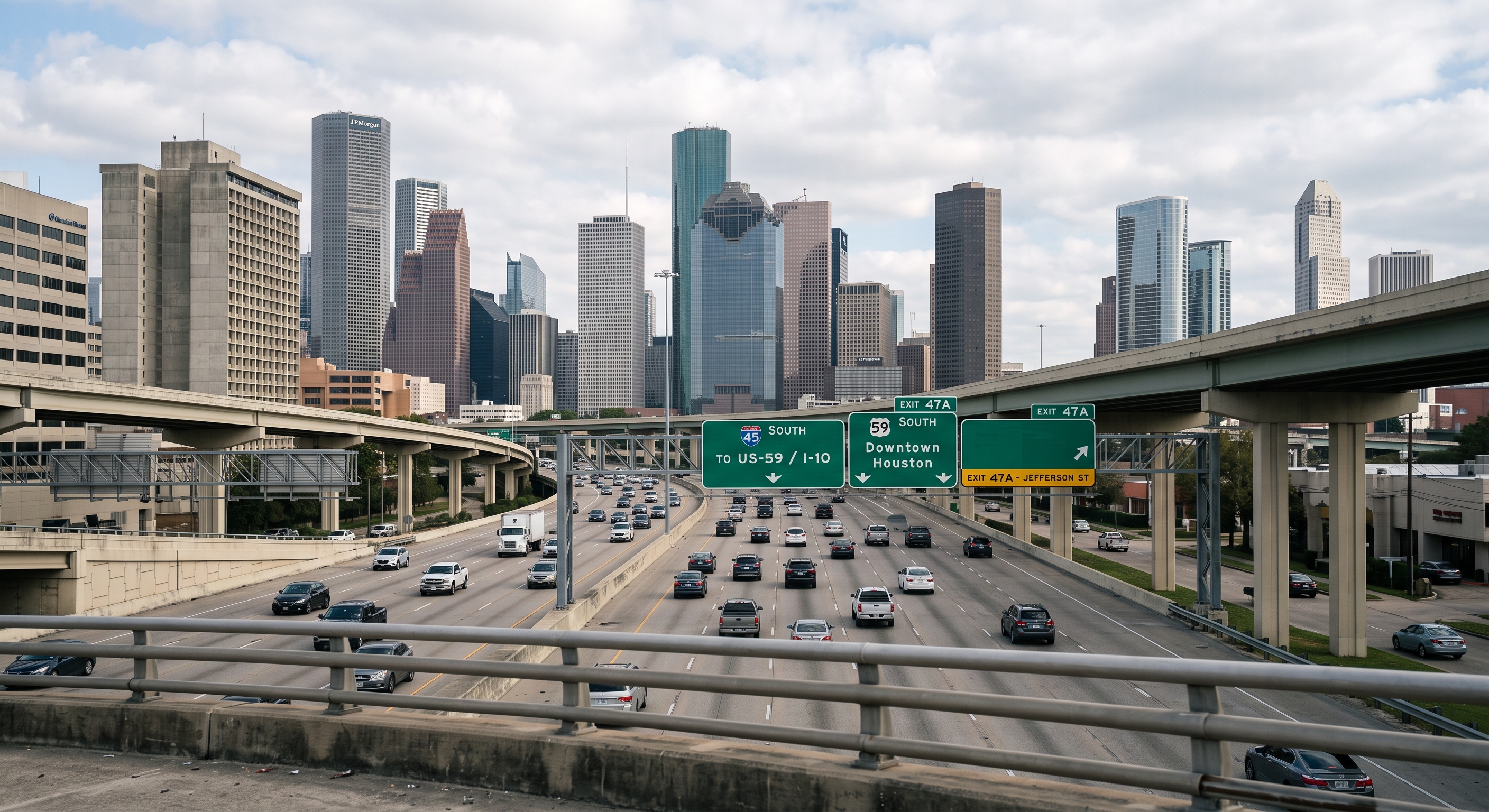
Commute Times From Montgomery County: An Honest Guide for Relocating Buyers
It is the first question every relocating buyer asks and the one that gets the vaguest answers. Honest ranges by destination, the three corridors that decide everything, and how to test your real number before you buy.
2026-09-16
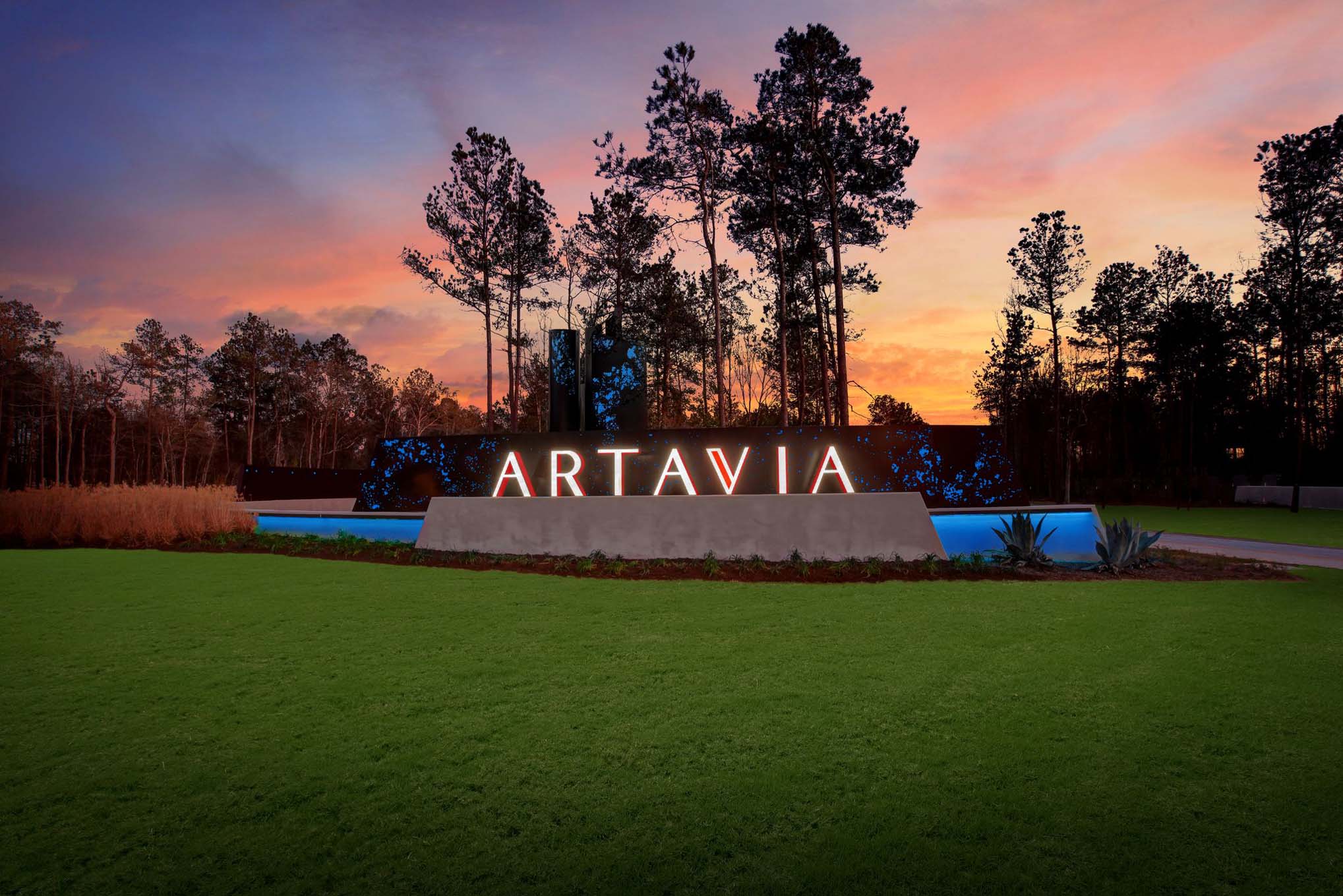
Artavia: Inside Conroe's Master-Planned Community Built Around Art
Artavia built its identity around art rather than amenities, and it shows. Inside the Conroe master-planned community: the ARTscapes, Dapple Park, the tax and MUD fine print, and why the resale market may be the better buy.
Ready to Discuss Your Needs?
Whether you're locally upgrading, relocating to the area, or expanding your business or investment portfolio, we're here to guide you with competence and precision.
Call or Text: 713-303-5039