Should You Sell Your Home or Turn It Into a Rental? Running the Real Numbers
You're moving, and you face a fork: sell your home and take the cash, or keep it and rent it out. An honest framework, the Texas tax math, and the question most people skip.

You are moving. Maybe you are upgrading, relocating, or downsizing, and you face a fork in the road that a lot of homeowners reach: do you sell your current home and take the cash, or keep it and turn it into a rental? It is one of the most consequential financial decisions you will make, and it deserves better than a gut call. Here is an honest framework for thinking it through.
The case for selling
Selling is clean, and clean has real value. You convert your equity into liquid cash you can use for the down payment on your next home, to invest, or to eliminate debt. You avoid the responsibilities and risks of being a landlord entirely, no tenants, no repairs at midnight, no vacancy, no wear and tear. And in a strong market, you lock in your gains at a known number rather than betting on where values go from here.
There is also a powerful tax reason to at least consider selling now, which we will come back to, because the window to sell your home tax-advantaged does not stay open forever once you move out.
The case for keeping it as a rental
Renting it out turns your home into a wealth-building asset instead of a closed chapter. If you have a low fixed-rate mortgage, that loan is itself a valuable asset in today's environment, and keeping it means keeping cheap leverage working for you. A well-chosen rental can generate monthly cash flow, and over time it builds wealth through three engines at once: your tenant pays down your principal, the property tends to appreciate, and inflation quietly erodes your fixed debt while lifting the asset. For many people, holding onto a first home is how an entire rental portfolio begins. And Texas is a genuinely landlord-friendly state, which makes the operating side more workable than in many places.
The Texas math that matters
A few local factors shape this decision specifically. Texas has no state income tax, which is good for your rental income, but it has relatively high property taxes, and those taxes are a real, ongoing carrying cost you must build into your numbers, along with insurance, which has been climbing statewide. On the other side of the ledger, rental property comes with tax advantages, including the ability to deduct depreciation and expenses against your rental income, which a good CPA can walk you through. And if you want to pull your equity back out later without selling, an investment or DSCR loan can let you refinance based on the property's value and cash flow. The point is that the low-rate mortgage, the tax treatment, and the financing options can tilt the math toward holding, if the property actually performs as a rental.
The tax fork you cannot ignore
Here is the piece too many people miss, and it can be worth a large amount of money. When you sell a home that has been your primary residence, current federal rules generally let you exclude a significant amount of capital gains from tax, provided you have lived in it as your main home for at least two of the previous five years. That exclusion is one of the best deals in the tax code. But once you move out and rent the home, the clock starts, and if you rent it for too long before selling, you can lose eligibility for that exclusion and owe tax on the gain. On top of that, when you eventually sell a property you have depreciated as a rental, you generally face depreciation recapture. None of this means renting is wrong, it means the timing and the tax consequences are real and specific, and you should map them out with a tax professional before you decide, because the sell-now-tax-free option has an expiration date.
The honest self-assessment
Beyond the math, be honest about two things. First, do you actually want to be a landlord? It is a real job, even with a property manager, and it is not for everyone. Second, and this is the one people skip: is your home actually a good rental, or is it just a good home? A property in a great school zone that you love does not automatically produce strong rental numbers. Run the real figures, the market rent against the full carrying cost of mortgage, taxes, insurance, maintenance, management, and expected vacancy, and make sure you have cash reserves for the inevitable surprises. A home that cash flows comfortably is a candidate to keep. One that bleeds money every month usually is not, no matter how much you love it.
How we help
This is a decision we help clients work through all the time, and we run it with real numbers, not wishful thinking. We will give you a straight professional valuation of what the home would sell for today, a realistic read on what it would actually rent for, and an honest assessment of whether it makes a good rental or a better sale. If selling is the right move, we handle it, and if you are buying your next home, an active property search gets you into it. If keeping it as a rental is the smart play, we will tell you that too, even though it means we are not selling the house.
Before real estate, we built a company that negotiated with Fortune 500 clients like Huntsman, Owens Corning, and Baker Hughes, and we bring that same analytical rigor to helping you make the right call on your largest asset. We are a real estate team, not tax advisors, so loop in a CPA on the tax specifics, but we will make sure you are looking at the whole picture.
Call or text 713-303-5039.
The Keegan Group | Montgomery County, Texas / Residential · Commercial · Land · Investment · Property Tax Consulting.
More in Investment
2026-09-01
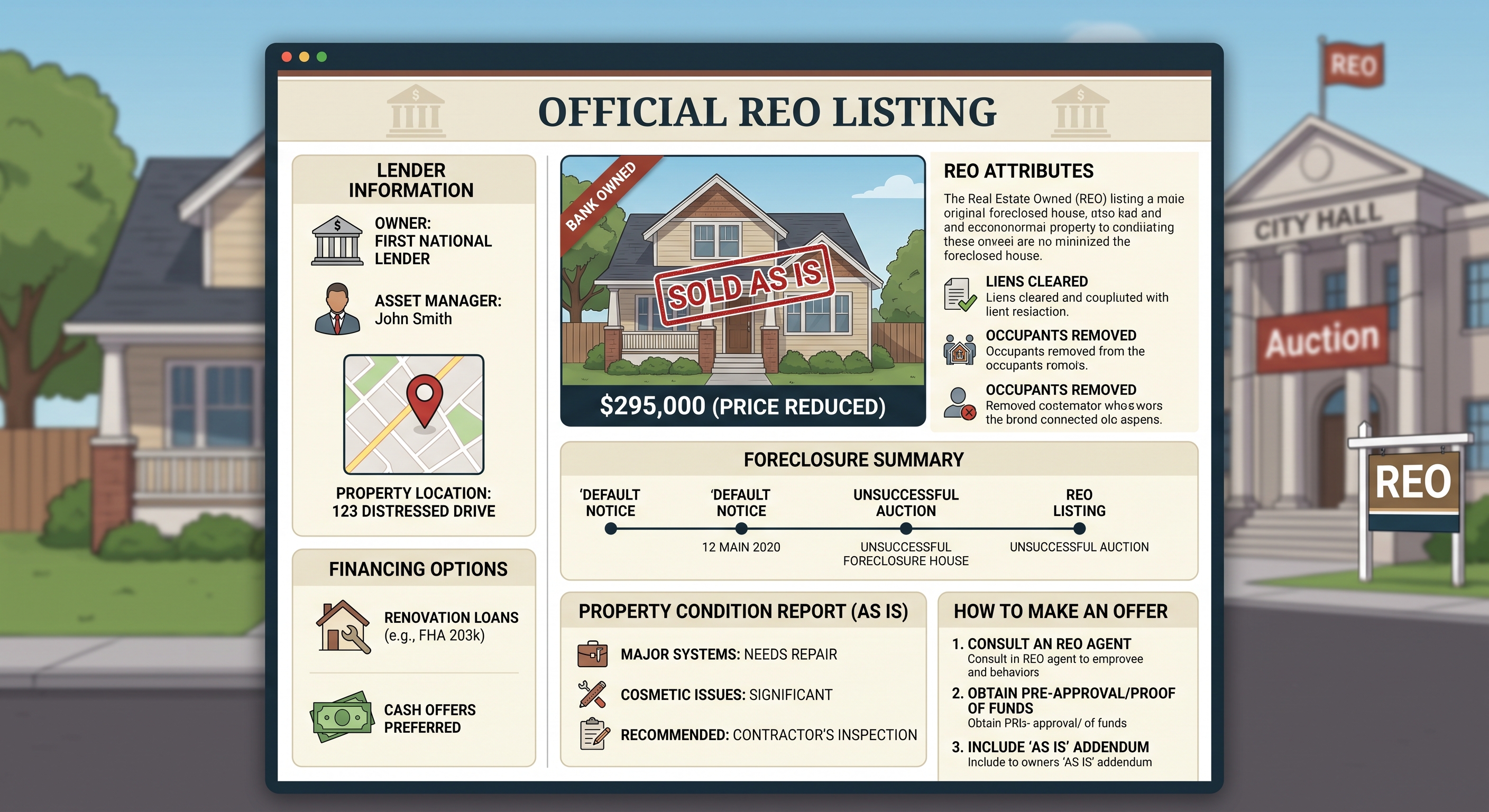
REO Investing: The Pitfalls Most Investors Hit, and How We Work the Other Side of It
We list bank-owned properties for banks and servicers, but not to collect listings. Being inside the disposition process is how we put investors in front of REO early. The five pitfalls, and the opportunity done right.

2026-08-26
Buying REO and Bank-Owned Properties: The Investor Playbook for Flips and Rentals
Bank-owned properties trade differently and reward investors who know how to work them. Why REO beats the auction route, how it pairs with DSCR financing, and why access is the real barrier.

2026-08-26
How to Actually Build a Rental Portfolio With DSCR Loans
Most investors stop at one or two rentals because conventional lending evaluates them instead of the asset. DSCR removes that ceiling. The scaling sequence, the BRRRR pairing, and the discipline that keeps it from blowing up.
Ready to Discuss Your Needs?
Whether you're locally upgrading, relocating to the area, or expanding your business or investment portfolio, we're here to guide you with competence and precision.
Call or Text: 713-303-5039