The Texas Seller's Disclosure: What You Must Reveal, and What Happens If You Don't
Selling "as is" does not mean you can stay silent. What Texas Property Code 5.008 requires, the exemptions and the trap inside them, and why concealment can mean treble damages long after closing.
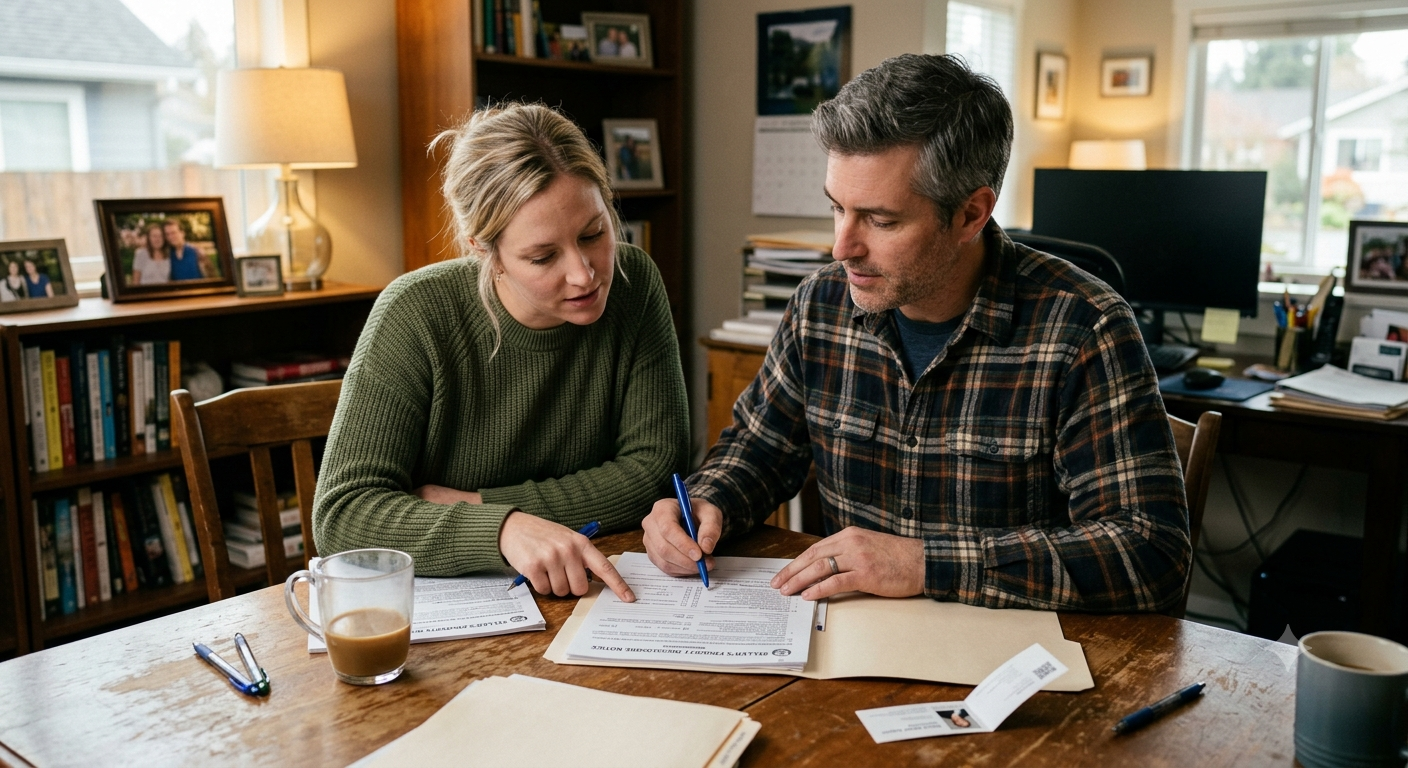
Of all the documents in a Texas home sale, the Seller's Disclosure Notice generates the most anxiety and the most bad advice. Sellers worry that being honest will cost them the deal. Some convince themselves that selling "as is" means they do not have to say anything. That belief is wrong, and it is the kind of wrong that ends in a lawsuit. Here is how this actually works.
What the law requires
The requirement lives in Section 5.008 of the Texas Property Code. A seller of residential property with not more than one dwelling unit must give the buyer a written notice describing the condition of the property, completed to the best of the seller's knowledge and belief, and delivered before the contract binds the buyer.
The form itself walks through the house systematically: the condition and working order of systems and appliances, known structural issues, and known defects across roof, foundation, plumbing, electrical, and more. It also asks about a list of specific conditions, including termites, prior repairs, and hazardous materials.
Texas strengthened the flood questions considerably after Hurricane Harvey, and those additions matter enormously in our region. Sellers must now address whether the property sits in a FEMA-designated 100-year or 500-year floodplain, whether it has flooded at least once in the past five years, whether it is in a reservoir flood pool, whether it has ever been repaired for flood damage, and whether the seller has ever received flood insurance proceeds. For any buyer in Montgomery County, those answers deserve a careful read.
What you do not have to disclose
The statute also protects sellers from having to share information that is not about the property's condition. There is no duty to disclose whether a death occurred on the property by natural causes, suicide, or an accident unrelated to the condition of the property. There is likewise no duty to disclose information about a previous occupant having HIV or a related illness. The purpose is to keep the disclosure focused on the physical condition of the house rather than on personal history buyers might react to unfairly.
The exemptions, and the trap inside them
Section 5.008 lists specific situations where the standard notice is not required. These include sales under court order, foreclosure sales and sales by the foreclosing lender, transfers by a fiduciary administering an estate, certain transfers between co-owners or family members, and new construction never occupied.
Now the trap, and it is the most important paragraph in this article. Being exempt from the form does not exempt you from the duty to disclose known material defects. Even an exempt seller can be held liable for fraud, misrepresentation, or concealment under the Deceptive Trade Practices Act and other Texas law. The exemption removes a form, not your obligation to be honest about what you know.
"As is" does not mean "say nothing"
This is the most persistent and most expensive myth in Texas real estate. Selling a home "as is" means you are not agreeing to make repairs. It does not remove your legal obligation to disclose known material defects, and Texas courts have consistently held the line on this. In the landmark case Prudential Insurance Co. of America v. Jefferson Associates, the Texas Supreme Court held that an "as is" clause can be voided where the seller actively concealed a known defect.
Put plainly: if you know the HVAC is failing and you mark it in working condition, an "as is" clause will not save you. If you paint over water stains without disclosing the leak, you have not sold "as is," you have committed fraud.
What happens when a seller gets this wrong
The consequences are real. On the mild end, if the seller fails to deliver the notice as required, the statute permits the buyer to terminate the contract for any reason within seven days after receiving it. That alone can cost you a deal at the worst possible moment.
The serious exposure comes when the failure to disclose is paired with concealment or fraud. Then a buyer can pursue claims under the Deceptive Trade Practices Act and the statutory fraud provisions, and those carry teeth. A jury that finds a seller's conduct unconscionable can award treble damages, meaning up to three times the actual damages, plus attorney's fees and court costs. That exposure follows you long after closing. Weigh that against the discomfort of checking a box honestly, and the math is not close.
The strategic case for full disclosure
Here is what most sellers miss: thorough disclosure is not just legally safer, it is tactically smarter. Problems you disclose up front get priced into the offer and negotiated once. Problems the buyer discovers at inspection become a crisis, a renegotiation from a position of distrust, and often a bigger concession than the issue was worth. Worse, a buyer who feels misled walks, and now you are back on the market with a stale listing and a story attached.
Disclose it, price it accordingly, and sell with confidence. Buyers do not expect a perfect house. They expect an honest one.
How we handle it
We walk our sellers through the disclosure carefully, because completing it well protects you and strengthens your position. We help you understand what the questions are actually asking, encourage documenting repairs and warranties, and build a pricing and negotiating strategy around known issues rather than hoping nobody notices. On the buyer side, we read these notices closely, because what is disclosed, and what is conspicuously left blank, tells you a great deal about a house.
One honest note: we are a real estate team, not attorneys, and this is general information rather than legal advice. If you are facing a serious disclosure question, a real estate attorney is the right call, and we are glad to point you toward one.
Call or text 713-303-5039.
The Keegan Group | Montgomery County, Texas / Residential · Commercial · Land · Investment · Property Tax Consulting.
More in General Real Estate

2026-09-25
Texas Homestead Protection: Why Your Home Is Shielded From Creditors
Most Texans know the homestead exemption as a tax break. Far fewer know it also shields your home from creditors, with no dollar cap at all. What it covers, the acreage limits, and the exceptions that matter.

2026-09-25
Whole-Home Generators in Texas: The Honest Math on Cost, Value, and Resale
What standby generators actually cost, why the Texas grid and our tree cover make them worth considering, and the honest answer on resale: buyers value them, appraisers give limited credit.

2026-09-01
The Fall Home Maintenance Checklist for Montgomery County Homeowners
Fall is the best maintenance season Texas gives us. The foundation watering, drainage, HVAC, freeze prep, and safety items that protect your largest asset and keep problems out of a future inspection report.
Ready to Discuss Your Needs?
Whether you're locally upgrading, relocating to the area, or expanding your business or investment portfolio, we're here to guide you with competence and precision.
Call or Text: 713-303-5039