Timber Valuation and Hunting Land in East Texas: The Tax Treatment Landowners Should Understand
On wooded East Texas acreage, timber valuation can turn a five-figure tax bill into something far smaller. How it works, the wildlife management alternative built for hunting land, and the rollback tax that blindsides buyers.
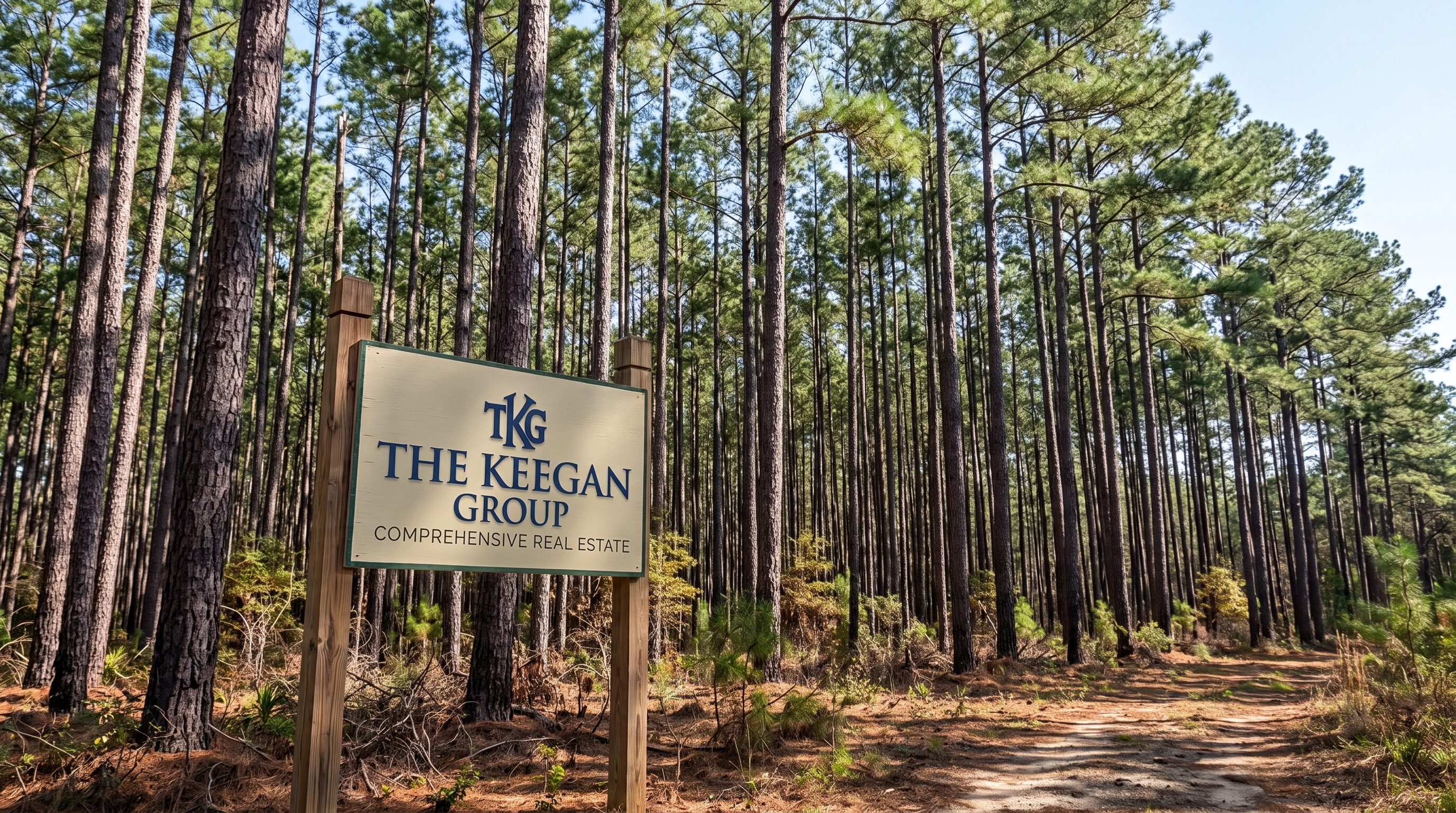
Montgomery County sits at the edge of the East Texas Piney Woods, and roughly 37 percent of Texas is forested. If you own wooded acreage here, or you are considering buying some, there is a property tax treatment that can dramatically change what that land costs you to hold.
It is commonly called the timber exemption. Like its agricultural cousin, that name is wrong in a way that matters.
It is a valuation, not an exemption
Section 1-d-1 of the Texas Constitution permits open-space land devoted to farm, ranch, timber, or wildlife management purposes to be taxed on its productive capacity rather than its market value.
That is a different method of assigning value, not an exemption of any portion of it. You still pay property taxes. You pay them on what the land can produce rather than on what a developer would pay for it.
On wooded acreage near a growing suburb, the gap between those two numbers is enormous, which is why this treatment routinely turns a five-figure tax bill into something far smaller.
Appraisal districts themselves often list ag, timber, and wildlife codes under "Exemptions" on the tax rolls alongside genuine exemptions like homestead, which is a large part of why the terminology confuses everyone.
Qualifying for timber valuation
The land must be currently devoted principally to timber production, to the degree of intensity generally accepted in the area. That means an actual managed timber operation with a plan, not simply owning land that happens to have trees on it.
There is also a history requirement. The land generally must have been devoted to agricultural or timber production for at least five of the preceding seven years.
That history requirement is precisely why buying a tract that already carries the valuation is so much easier than establishing one from scratch. The status can carry forward rather than making you start a five-year clock.
Timber valuation typically produces a lower assessed value than agricultural valuation on forested land. And if your property has both timber and pasture, you can potentially carry different valuations on different portions of the same tract.
Texas also provides special treatment for certain forest zones, including aesthetic management zones, critical wildlife habitat zones, and streamside management zones, where the appraised value can be reduced further.
The wildlife management alternative, which is the interesting one for hunters
Here is the provision that matters most to anyone who owns land primarily for hunting.
Using land for wildlife management qualifies as an agricultural use, but only if the land was previously qualified as open-space land or timberland. You cannot convert directly from market value appraisal to wildlife management. The land has to already carry ag or timber valuation first.
Qualifying timberland can convert directly to wildlife management use, and the land is generally appraised at the same category it held before the conversion.
To qualify, the land must be actively used in at least three of seven specified ways to propagate a sustaining breeding, migrating, or wintering population of indigenous wildlife. Those practices include habitat control, erosion control, predator control, providing supplemental water, providing supplemental food, providing shelters, and making census counts.
Why this matters practically: wildlife management valuation formalizes what a serious hunting property is already doing. It removes the need to run someone else's cattle across your deer lease just to hold an agricultural valuation. For a landowner whose actual purpose is wildlife and hunting, it aligns the tax treatment with the real use of the land.
The tax savings are equivalent to what you would get under agricultural valuation. You are changing the qualifying activity, not the benefit.
The rollback tax
Now the expensive part, and the reason this deserves attention before you buy rather than after.
Because the state has been taxing the land below market value, it recaptures that benefit when the qualifying use stops. This is the rollback tax.
Under current law, the rollback generally reaches back three years, plus interest, having been reduced from the previous five-year window. On a valuable tract near a growing area, three years of recaptured taxes plus interest is still a serious number.
Three points keep buyers out of trouble:
Buying does not trigger a rollback. Changing the use does. You can purchase land carrying a timber or wildlife valuation without setting anything off.
Ceasing the qualifying activity triggers it. Clear the timber for a subdivision, pave a commercial site, or simply stop managing the property, and the clock starts.
Reducing intensity is not the same as ceasing use. But it can jeopardize your qualification going forward, which is its own problem.
If you buy timber or wildlife-valued land intending to develop it someday, treat that rollback as a known future cost and budget for it rather than discovering it in a tax notice.
What to verify before you buy
For any wooded tract in Montgomery County or the surrounding East Texas counties, get answers to these before closing.
Does the tract currently carry a timber, agricultural, or wildlife valuation, and under which subchapter? How long has it been in qualifying use, and does it satisfy the five-of-seven history requirement? What specific activity is maintaining the qualification, and can you continue it? What is your rollback exposure if your plans involve a change of use? And what does the Montgomery Central Appraisal District require for continued qualification, since intensity standards are applied locally rather than uniformly statewide?
Also confirm that timber valuation is actually available in the county where the land sits. It applies in East Texas timber country. It generally does not apply in the Hill Country, North Texas, or South Texas, where agricultural or wildlife valuations are the relevant options.
Where we come in
Land transactions reward diligence in a way that suburban home purchases do not. We verify valuation status and use history with the appraisal district, review the survey and easements carefully, and make sure you understand both the annual carrying cost and the rollback exposure before you commit.
We are a real estate team, not tax advisors or attorneys, and this is general information rather than tax or legal advice. The specifics vary by county and by tract, so confirm with the appraisal district and a qualified professional. Kyle and Kris both work with owners on property tax matters, and we are glad to point you in the right direction.
If you are buying or selling timber, hunting, or recreational land in Montgomery County and the surrounding area, an active property search with people who know these issues means the right questions get asked before you sign.
Call or text 713-303-5039.
The Keegan Group | Montgomery County, Texas / Residential · Commercial · Land · Investment · Property Tax Consulting.
More in Investment

2026-09-25
The First Tuesday Foreclosure Auction in Montgomery County: How It Actually Works
Every first Tuesday, properties change hands at auction across all 254 Texas counties. How it works in Montgomery County, the two different auctions people confuse, and an honest look at whether you should bid.

2026-09-25
Short-Term Rentals on Lake Conroe: The Rules, the Numbers, and the Real Risk
Montgomery County has no county-level STR ordinances, which makes Lake Conroe unusually owner-friendly. But the real risk is not the government. It is your HOA covenants, and most buyers never read them.
2026-09-25
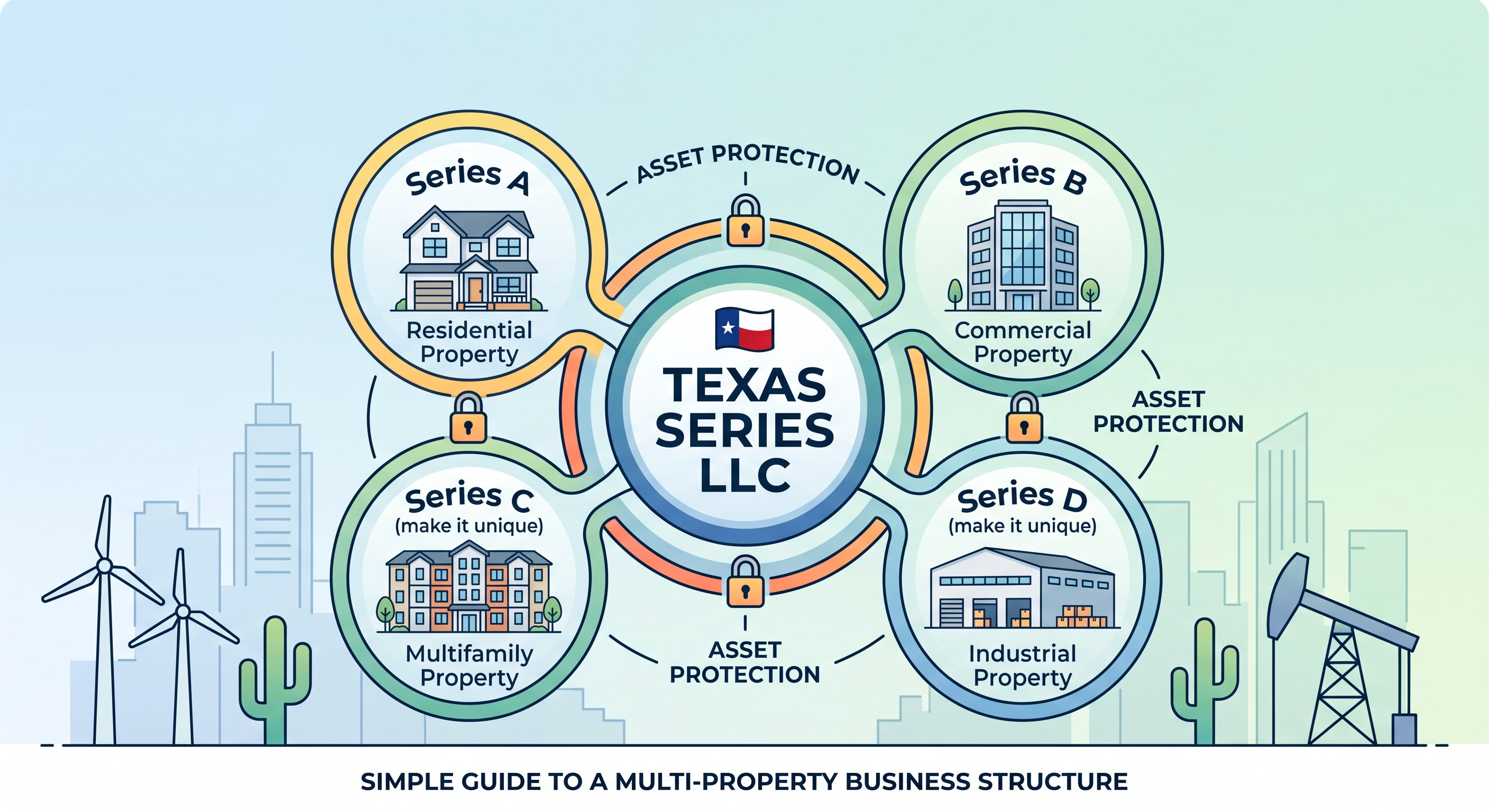
The Texas Series LLC: The Asset Protection Structure Built for Landlords
If a tenant sues over one property, can they reach the equity in your others? Texas offers a structure most states do not: the Series LLC. How it works, what it costs, and the recordkeeping discipline it demands.
Ready to Discuss Your Needs?
Whether you're locally upgrading, relocating to the area, or expanding your business or investment portfolio, we're here to guide you with competence and precision.
Call or Text: 713-303-5039