Why Prices Are Not Going Back: The Case for Long-Term Real Estate Appreciation
People are waiting for prices to come back down. We think that wait is permanent, and the reason has less to do with housing than with money. The house did not change 2.7 times. The yardstick got shorter.
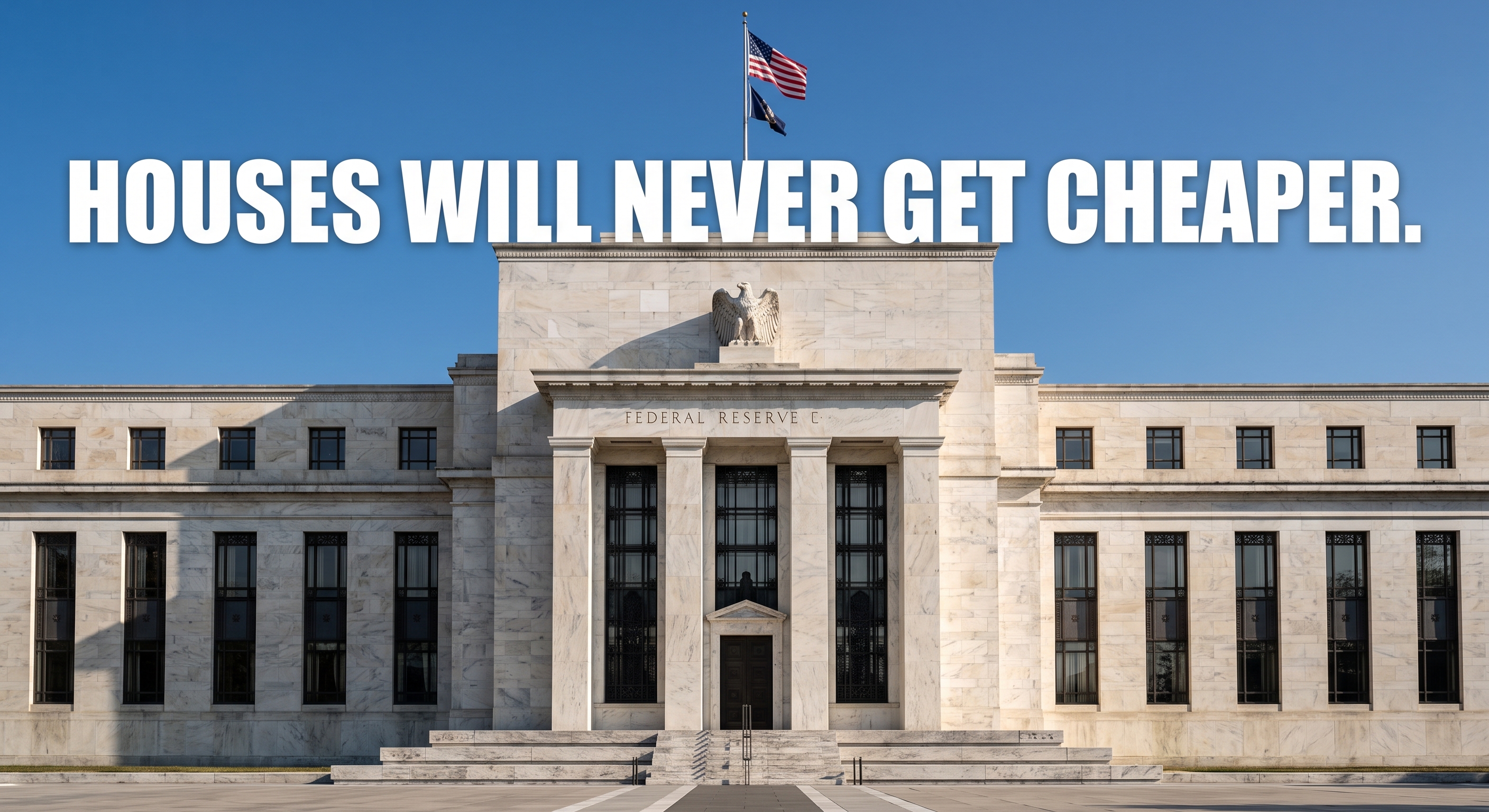
There is a version of the waiting game a lot of people are playing right now. Prices went up, prices feel high, so surely they come back down. Maybe not to 2015, but somewhere reasonable. So they wait.
We think that wait is going to be very long and probably permanent, and the reason has less to do with housing than with money. Here is the case.
The denominator is the story
When you say a house costs more, you are describing a relationship between two things: the house on one side, the dollar on the other. Almost every conversation about home prices focuses entirely on the house. The house got more expensive. Demand went up. Supply got tight.
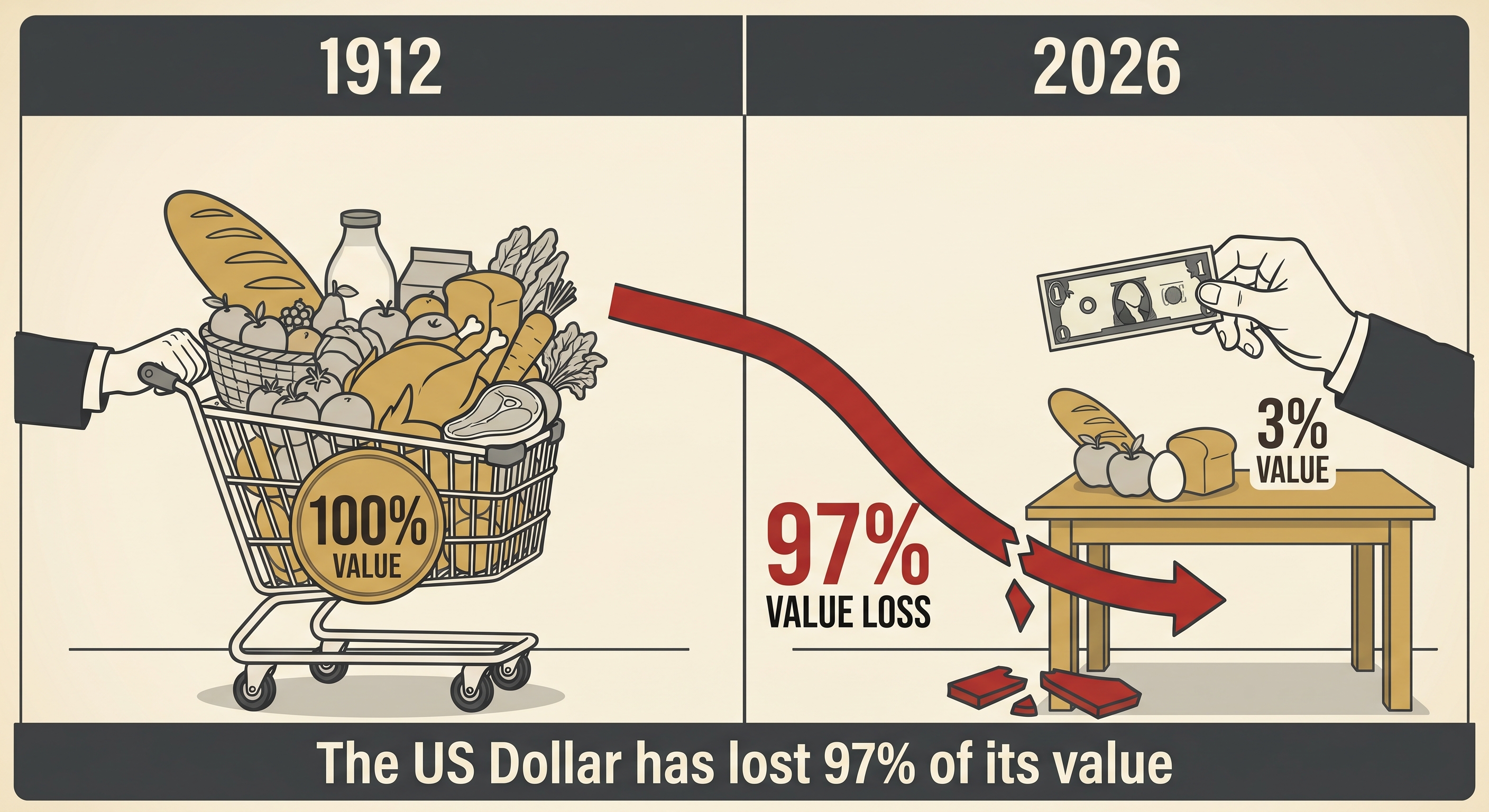
All true, and all incomplete. Because the other side of that ratio has been moving too, and it has been moving in one direction for a very long time. The dollar has been losing purchasing power steadily, and by the official measure it has lost roughly 97 percent of its value since 1913. It has fallen in essentially every year since 1972, without exception. We walk through that full record in the dollar has lost 97% of its value since 1913.
So when a house that traded for $150,000 in 2010 trades for $400,000 today, part of that is genuine appreciation driven by real demand, and part is simply that you are measuring with a smaller unit. The house did not necessarily become 2.7 times more valuable. The yardstick got shorter.
That distinction matters enormously, because it changes what you should expect going forward.
Why the direction is structural, not cyclical
Money supply expands. Government debt grows, and servicing it is far easier in a world of persistent inflation and steady monetary expansion than in one of stable or appreciating money. There is no political constituency for the pain that would come with genuinely reversing that. There never has been.
Which means the trend that produced the last century of nominal price increases is not a phase that ended. It is the operating system.
And in a world where the currency is designed to lose value, hard assets are the natural refuge. Real estate is finite, physical, useful, and impossible to print. When more dollars chase a limited supply of real things, the price of those real things rises in dollar terms. That is not speculation. That is arithmetic.
What this means for nominal prices
Here is our thesis stated plainly. In nominal dollar terms, we do not expect to see 2015 prices again in Montgomery County, and we would be surprised to see 2019 prices again. Not because housing is magic, but because the currency they were denominated in no longer exists at that value and is not coming back.
Prices can absolutely stall. They can flatten for years. In inflation-adjusted terms they can and do decline, and honest analysis requires saying so, because real prices have fallen in real markets in real periods. A buyer who overpays at a peak can wait a long time to feel good about it.
But the nominal number, the one on the deed and in the tax record, has a powerful structural tailwind behind it, and that tailwind is monetary rather than merely economic.
The local layer on top
Now stack the regional story on the monetary one, because Montgomery County is not an average market.
We are one of the fastest-growing counties in the country. People keep arriving, jobs keep arriving, and the corridor from Spring and Tomball up through Conroe, Willis, and Montgomery keeps absorbing them. Land is finite, and desirable land near water, good schools, and employment is more finite still.
That is real demand growth layered on top of monetary debasement. Both push the same direction.
What it means practically
If you are waiting for a crash to buy, understand what you are actually betting on. You are betting that the dollar strengthens or that demand collapses in one of the fastest-growing regions in America. Both are possible. Neither is the way to bet.
If you own, you are holding a real asset in a currency-debasement environment, which is a good place to be. And if you financed it with a fixed-rate mortgage, you are in an even better position than you probably realize, for reasons worth understanding on their own.
If you are buying, the discipline is still to buy well. None of this is an argument for overpaying. The monetary tailwind rewards patient owners, not careless buyers, and the price you pay determines whether you enjoy that tailwind or spend years catching up to it.
The honest caveats
We are a real estate team, not economists or financial advisors, and nobody can predict the market. This is a framework rather than a forecast. Real, inflation-adjusted prices can fall. Local markets can overshoot and correct. Leverage cuts both ways, and buying badly is still buying badly no matter what the currency does.
What we are confident about is the direction of the measuring stick, because that trend has held for over a century and nothing in the current fiscal picture suggests a reversal.
If you want to talk through what this means for your specific situation, whether that is buying, holding, or repositioning equity, we are glad to have that conversation with real numbers. Start with a complimentary professional valuation, or an active property search across the corridor.
Call or text 713-303-5039.
The Keegan Group | Montgomery County, Texas / Residential · Commercial · Land · Investment · Property Tax Consulting.
More in Economic
2026-09-01
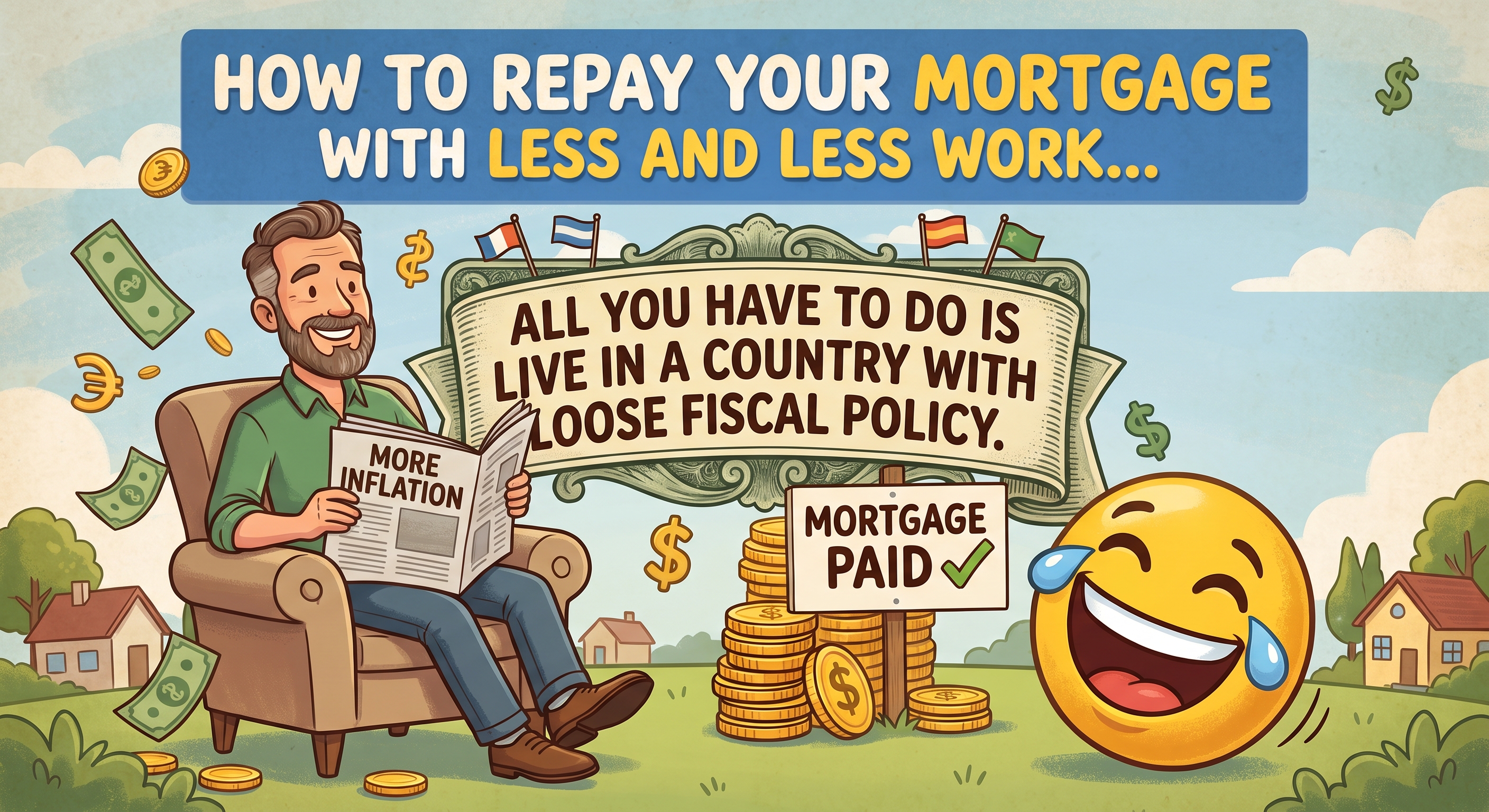
Your Fixed-Rate Mortgage Is a Bet Against the Dollar, and That Is a Good Bet
Most people think of a mortgage as a burden. In an inflationary system it is mostly backwards. Your debt is fixed while the dollars repaying it shrink, and the asset behind it rises. Both forces work in your favor.
2026-09-01
The Dollar Has Lost 97% of Its Value Since 1913. Here Is the Record.
CPI stood at 9.9 in 1913 and sits above 320 today. A 1913 dollar buys about three cents of what it bought then. The record, the 1971 hinge, and why 2 percent is a policy rather than an accident.
2026-09-01
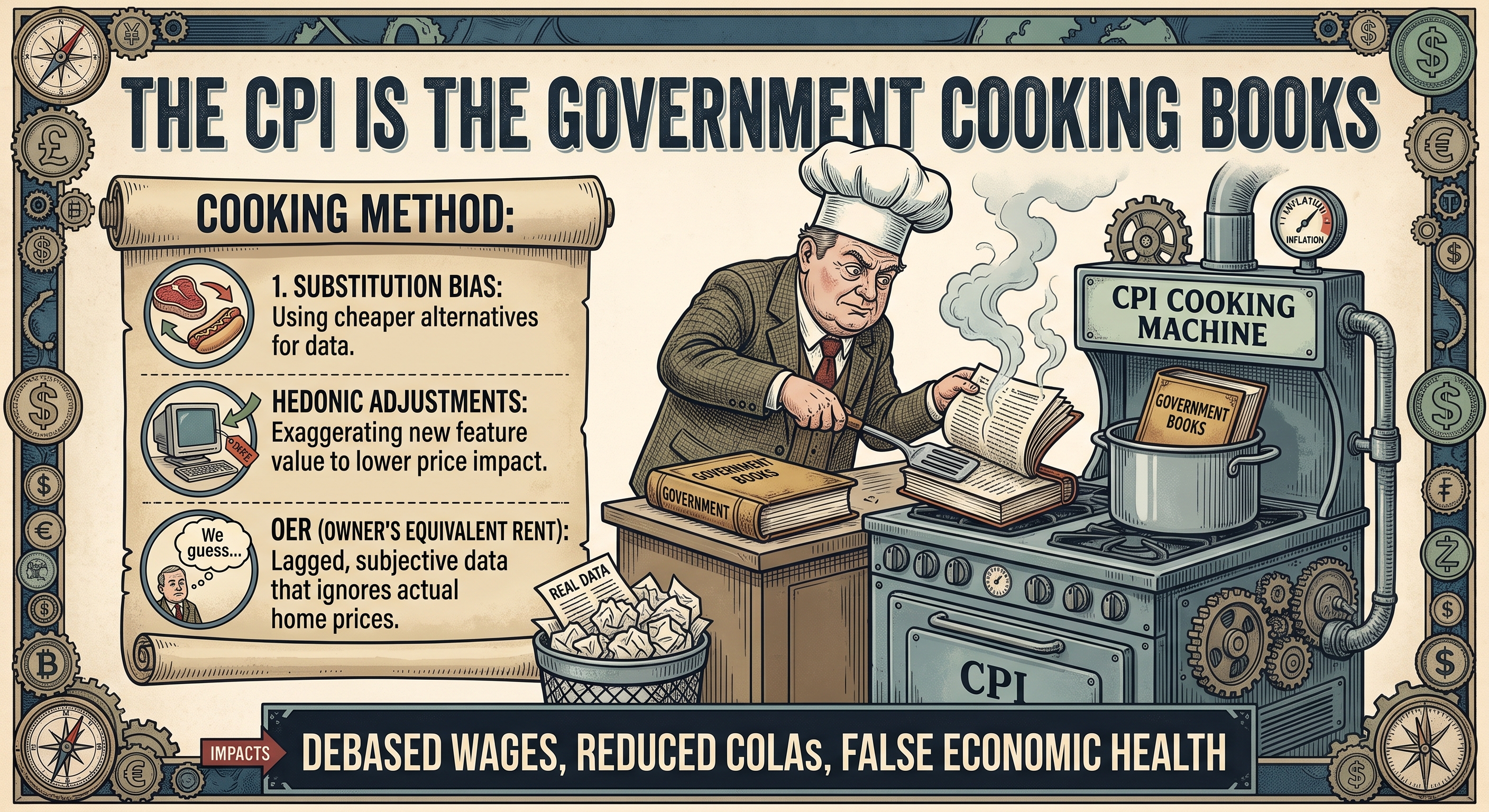
Why Official Inflation Feels Wrong: What the CPI Actually Measures
The gap between reported inflation and what you feel is not imagination. CPI is a constructed model with specific assumptions, and every methodology revision since the 1980s pushed the number the same direction.
Ready to Discuss Your Needs?
Whether you're locally upgrading, relocating to the area, or expanding your business or investment portfolio, we're here to guide you with competence and precision.
Call or Text: 713-303-5039